
PhotoRecon: I Built the Assignment Tool I Needed After Nearly 20 Years in the Field
There’s a shudder going through the photography industry. As AI tools become more advanced and work their way into more aspects of our work and our daily lives, many photographers are wondering whether and how much to engage with technologies that could replace certain types of photographic work. The anxiety is real, and I’ve felt it. But denial is not a strategy, and photography is and always has been a craft that develops side by side with tech.
Near the start of the National Geographic documentary The Photographers, released on DVD in 2000, several Nat Geo photojournalists reflect on the gap between how people imagine the job and what it actually looks like day to day. As Jodi Cobb puts it, “The reality of what you get up and do every day till you go to bed that night is far different than the perception of it.”
That reality, as David Doubilet describes, is often less about shooting and more about the grind: “traveling to distant locations, taking a lot of bags, going through customs, getting sick, getting well, hoping, praying…worrying about expenses, worrying about the weather.”
And, as Jim Stanfield bluntly notes, “You spend much time arranging and gaining permissions and authorizations, and very, very little time shooting.”
That ratio — preparation versus actual shooting — is something every assignment photographer lives with. Two months ago I was hunkered down in my studio preparing for a six-day assignment traveling through the Setouchi region of Japan. The call had come in just a day before and I had 48 hours to prepare. Gear prep, packing, researching locations, checking weather forecasts. I had 20 tabs open across two monitors, notes in my notes app, hotel confirmations and receipts filling up my inbox, and all I really wanted to be doing was shooting. At that moment, the thought struck: what if I had one app, one system for all of this?
I’m a photographer, not a developer. I never expected to build an app. But as AI tools started to mature, I didn’t see a threat. I saw an opportunity to solve a problem I deal with on every assignment. Not by replacing the work, but by helping me do more of it, and do it better.
So I built one. It’s called PhotoRecon. It brings the fragmented planning process into a single system for scouting, structuring, and executing assignments in the field, so I can spend less time on logistics and more time making pictures.
The Build, and What I Learned About AI and My Own Work
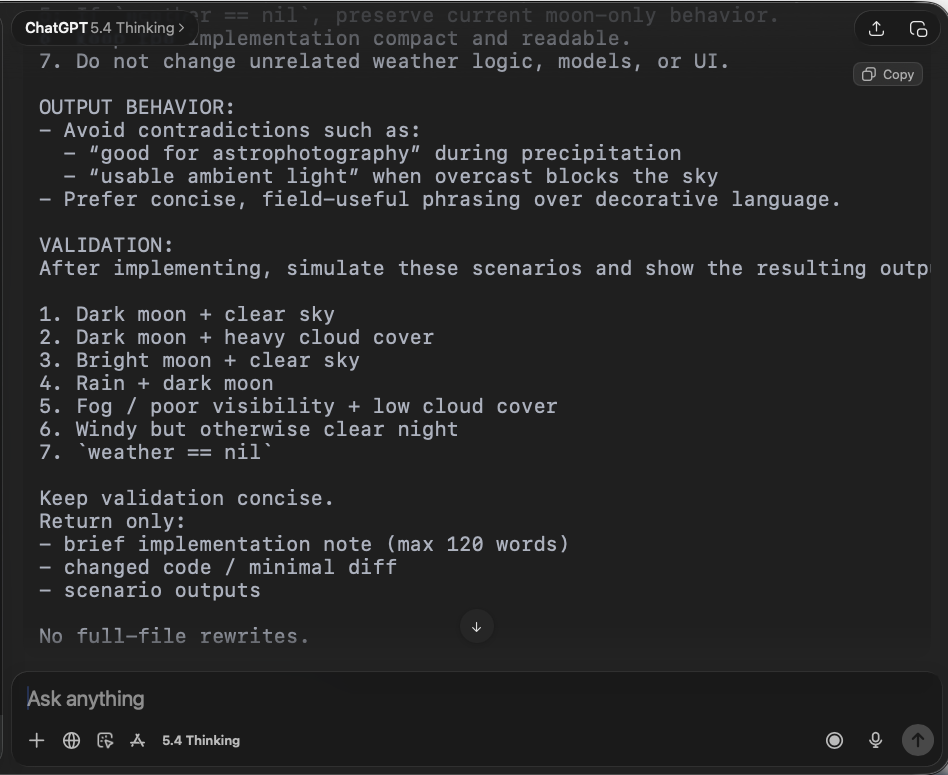
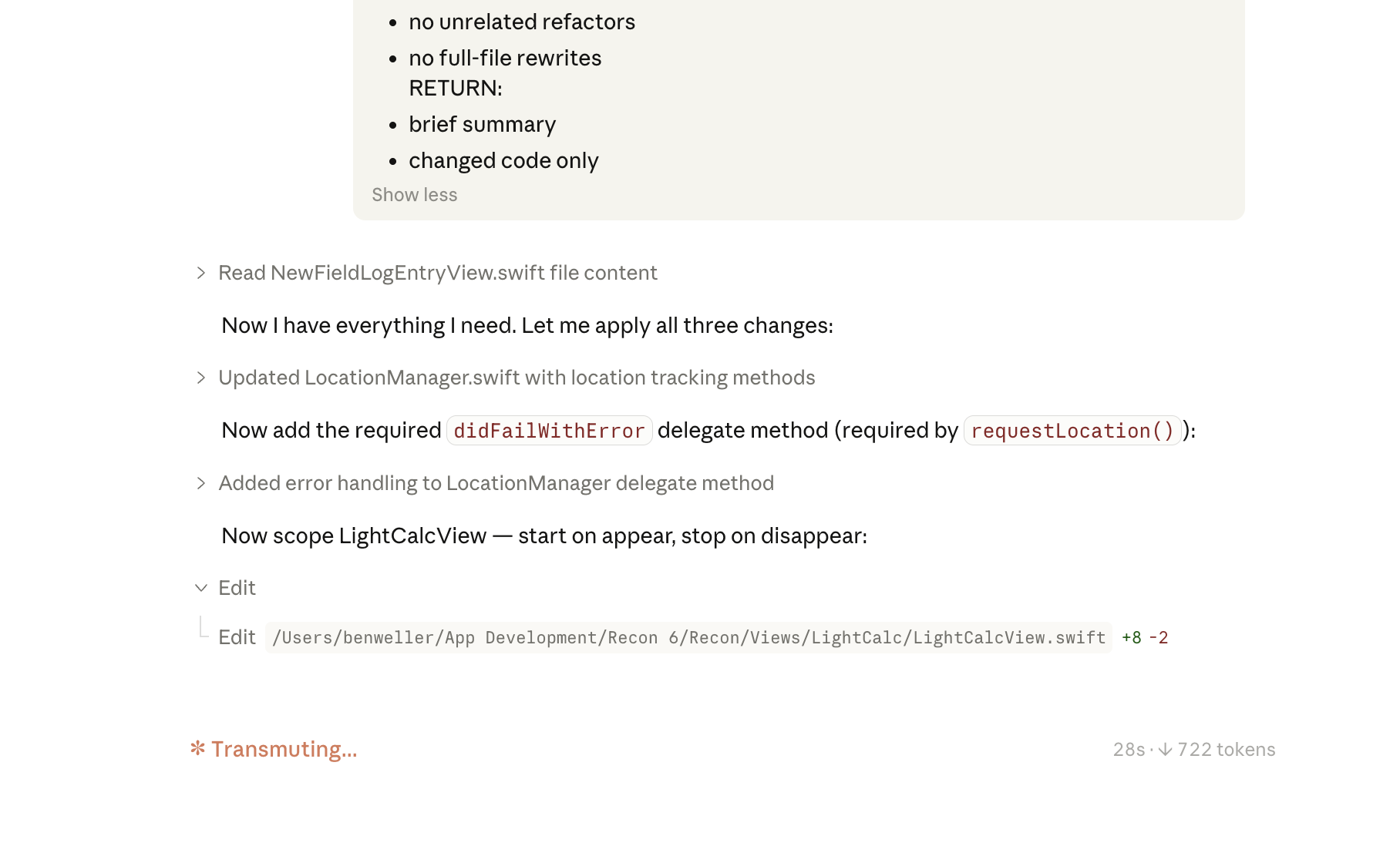
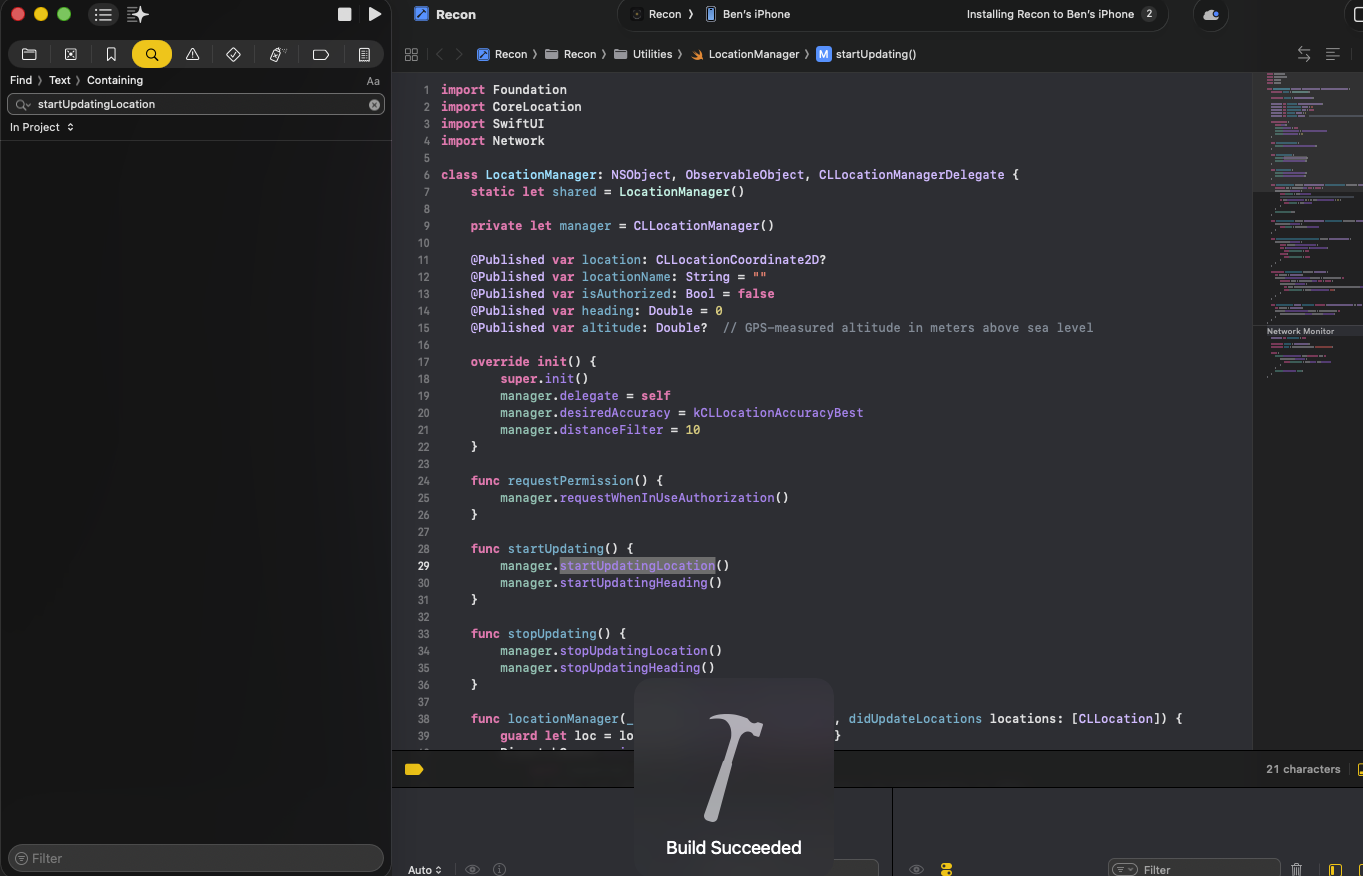
PhotoRecon was born out of frustration, but it turned into a labor of love. I worked on this app between assignments, late at night, on the bus, on the train. I explored ideas with Claude, Anthropic’s AI. Then I took features to ChatGPT and had it write clear, efficient prompts for Claude Code, which dramatically reduced my token usage and produced better outputs. The app went through multiple iterations over eight weeks of development, evolving from what was essentially a field notes app aimed at photographers into an entire system of tools augmenting the assignment photographer’s workflow: everything from mapping locations to research to pitches. Every feature represents a decision I’ve had to make on the fly, a task I’ve repeated before every assignment, a problem I’ve solved countless times the hard way. And every feature has been tested in the field.
A few weeks after the first build, I was sitting in a Tokyo Starbucks before a corporate environmental portrait shoot, reviewing the client brief, scrolling through scouting photos I'd taken the day before, and refining the shot list — all within PhotoRecon. By the time I met up with the subject, I was dialed in and ready to work. The preparation freed me up to be present, to focus on the person in front of me, and to tell his story. Since then I have used the app during the planning and execution stages of multiple assignments, as well as in ongoing personal photographic projects.
Building PhotoRecon has also helped me think about how I want to use AI. I’ll use it for things I can’t do, like coding, and things I don’t want to do, like the drudgery of expense reports. I won’t use it to replace skills I want to keep sharp, like writing, or for things that would take the joy out of my work. I’ll use it as a creative collaborator, but not to automate my craft.
What PhotoRecon Actually Does
PhotoRecon covers the core field workflow photographers actually deal with: weather forecasts, a light map that shows the direction and quality of light at any time of day, expense tracking, gear management, field notes, shot lists, contact cards with voice recorder for interviews, and a delivery tracker for when the work is done. These are the things every photographer juggles across half a dozen apps. PhotoRecon puts them in one place.
But the features that really enhance how I work are the ones built around the parts of the job that eat the most time. Itinerary import is one. Upload a client itinerary and PhotoRecon plots every location on a map with driving, walking, and public transit directions. What used to mean an hour of copying addresses into Google Maps and switching between tabs is now a single step. For a six-day assignment with 30 different stops, that alone saves hours.
Location Scout takes it further. Point it at wherever you are, or wherever you’re going, and it produces a field intel brief covering history, culture, geography, points of interest, current cultural events, and photographic opportunities. From that intel, you can generate a full assignment with shot lists, and even build a pitch to send to a publication.
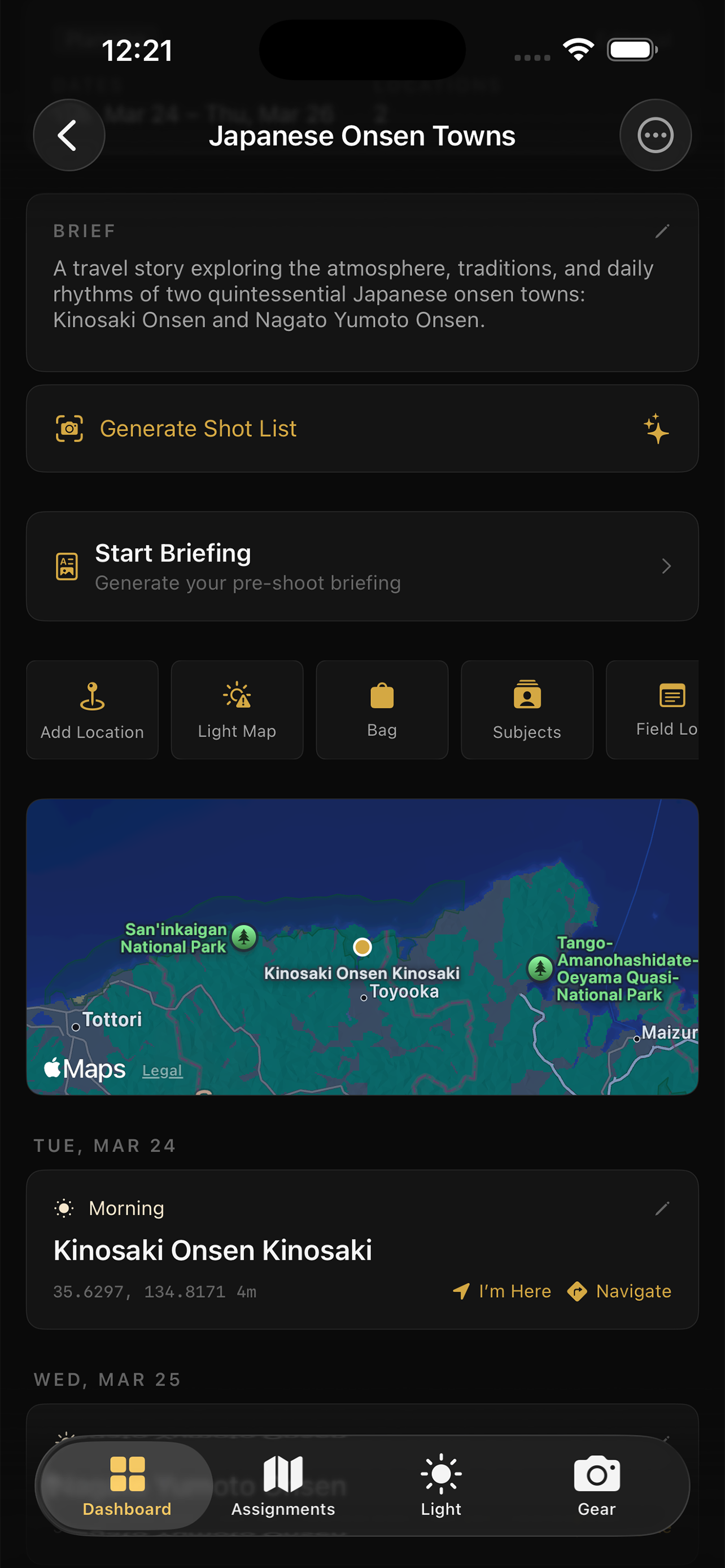
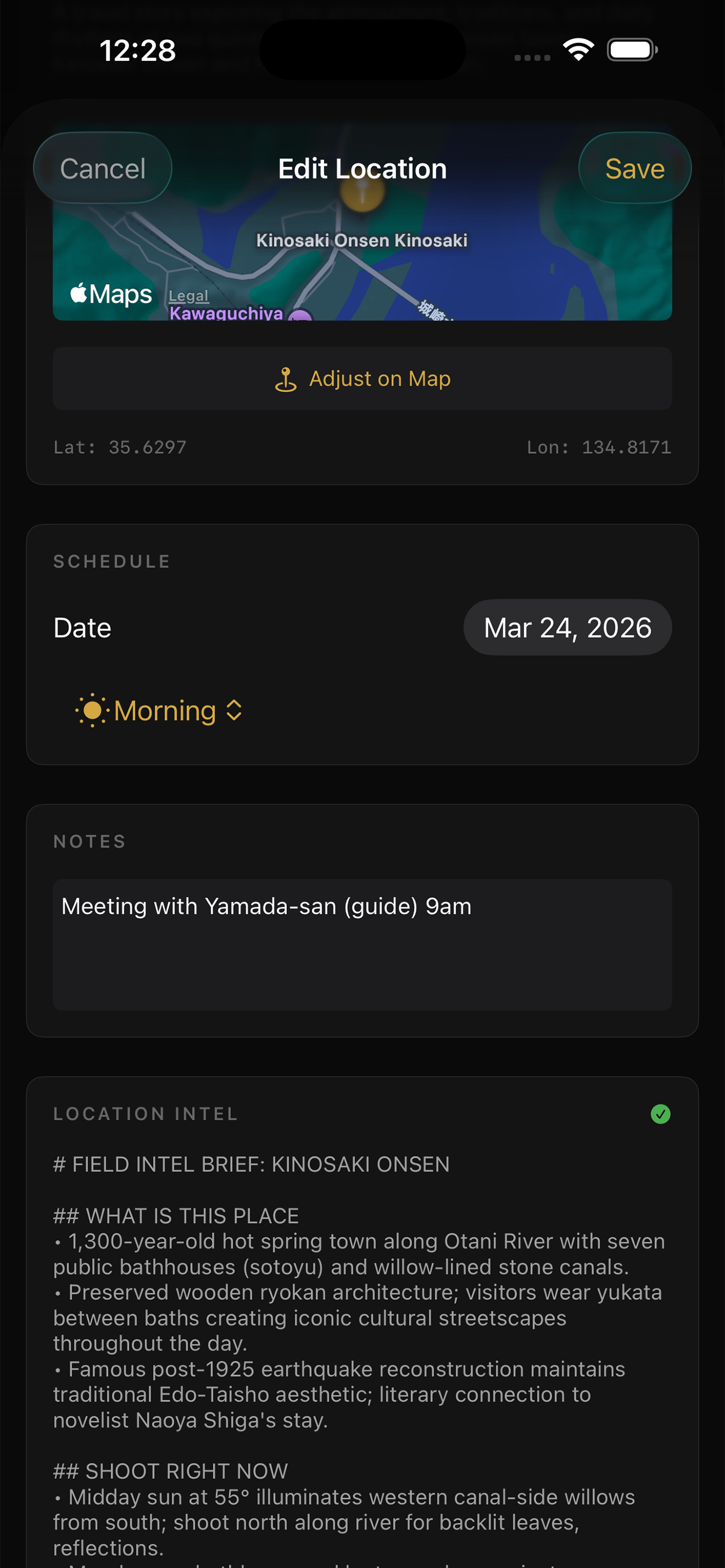
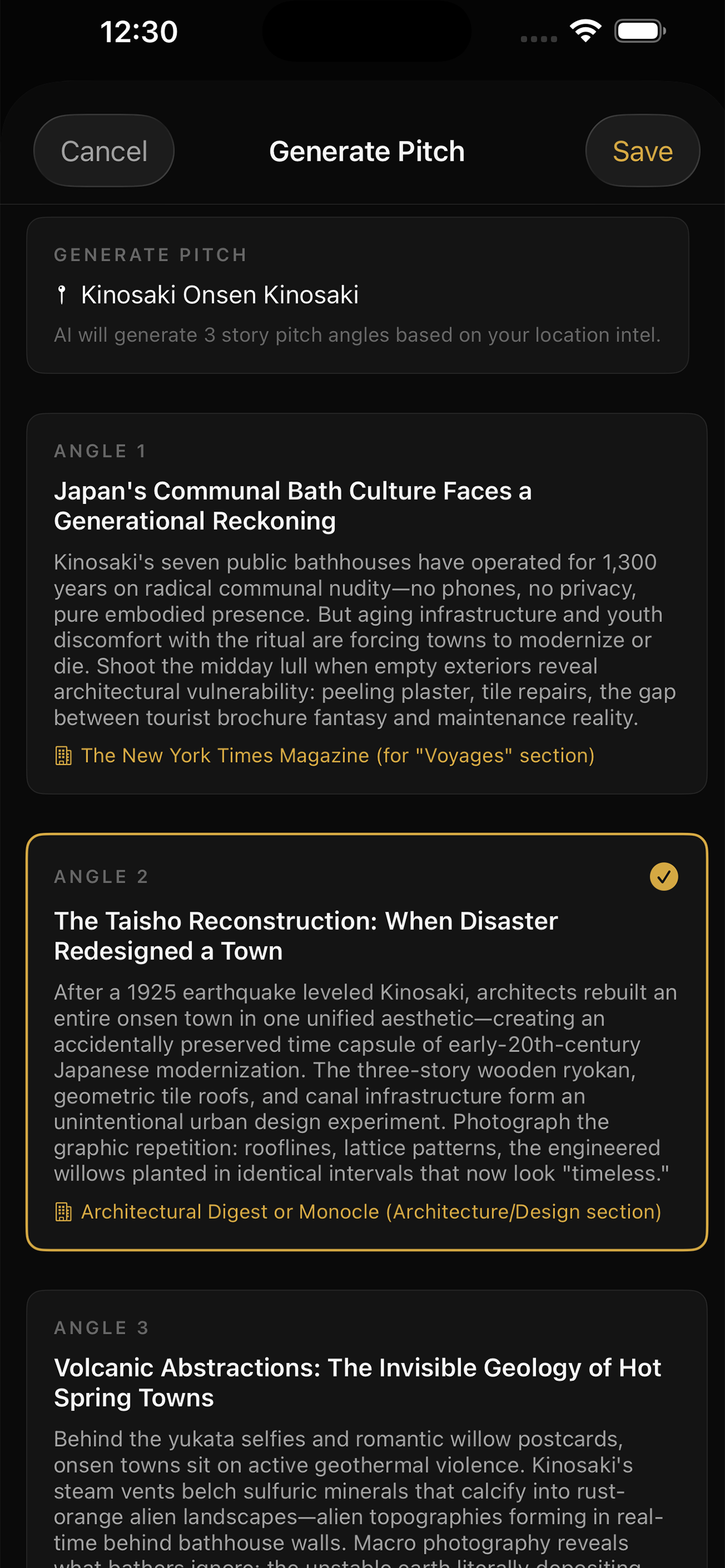
Then there’s the Briefing feature. Feed PhotoRecon a client brief — or just take a picture of it — and the app builds out a structured shot list. When you arrive on location, the Briefing walks you through what you’re there to shoot, notes from your editor or client, the shot list, any scouting intel or photos you've already added. It’s the difference between pulling up to a location and rummaging through emails, and walking in with a clear head and clear eyes.
The Field Assistant ties it all together. It’s an AI assistant that lives inside the app and understands the context of your assignment. Ask it to add a piece of gear and it updates your inventory. Ask it to add a location and it drops a pin. Tell it to build an itinerary for a three-day travel story and it creates one based on the publication you want to pitch to. It’s not a chatbot bolted onto the side; it’s woven into the workflow, understands your project, and acts on your commands.
One thing I was deliberate about: PhotoRecon uses a bring-your-own-key model for the AI features. You connect your own Anthropic API key, which means you pay only for what you use and you can see exactly what it costs. The app itself is free. The only cost is your API usage, paid directly to Anthropic, not through me or the app. I wanted the pricing to be as transparent as the tool itself. And if you don’t want the AI features, almost everything in the app can be added manually: locations, notes, expenses, contacts, briefs, pitches. AI is optional and the app still delivers without it.
The Real Value of What We Do
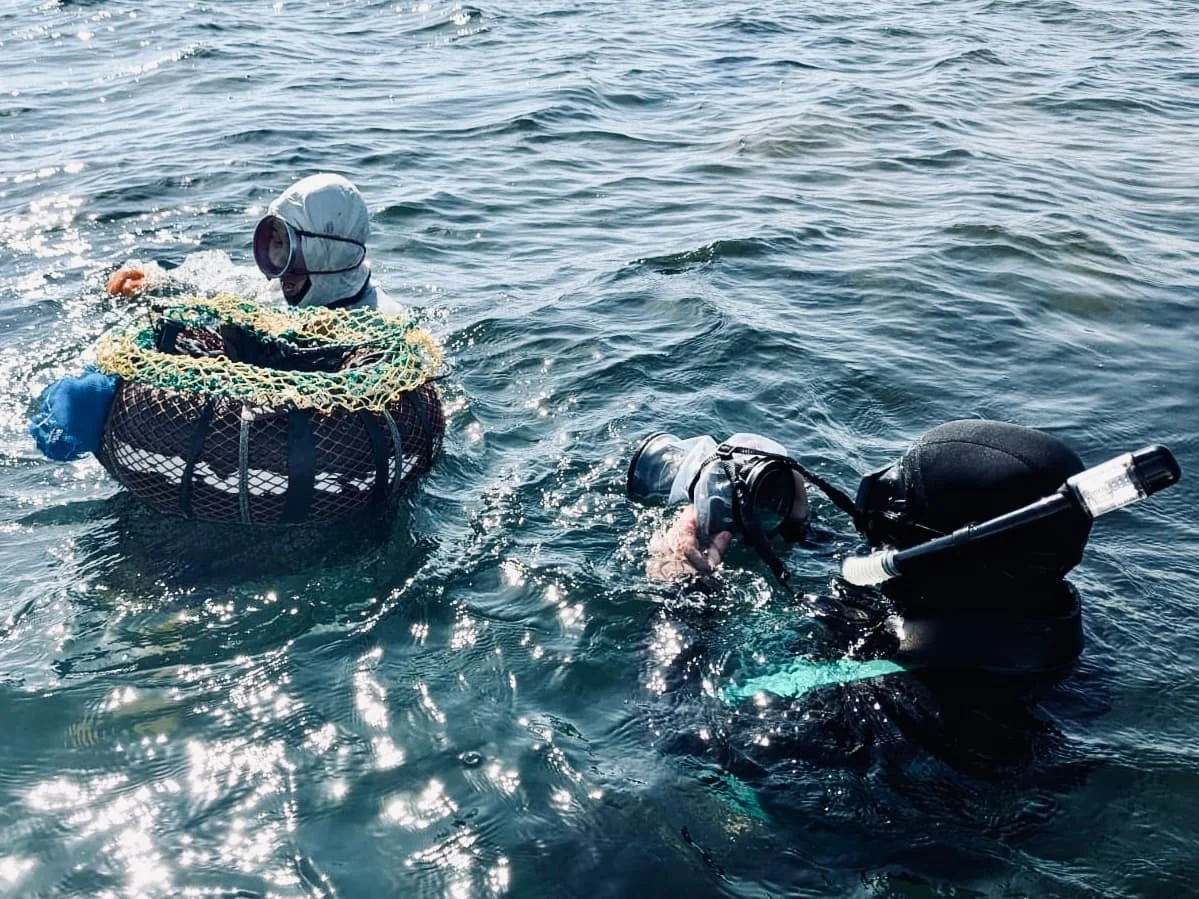
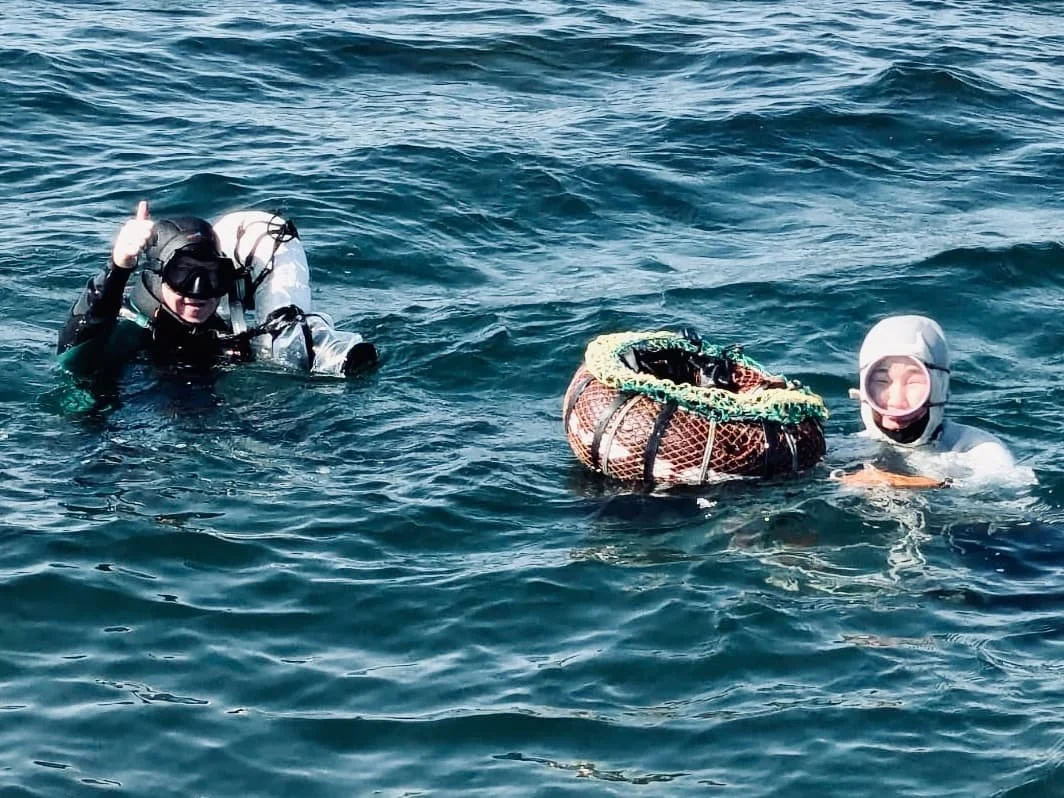
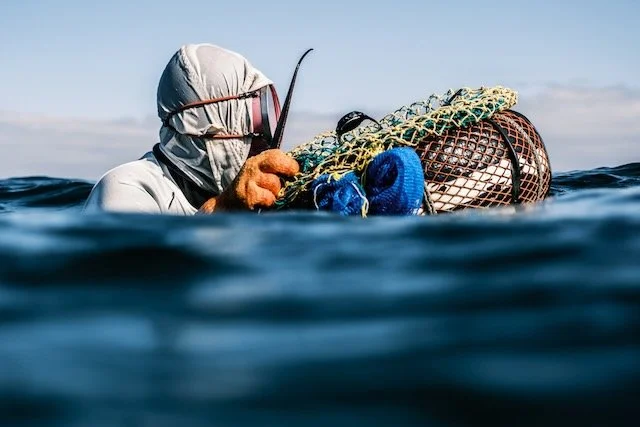
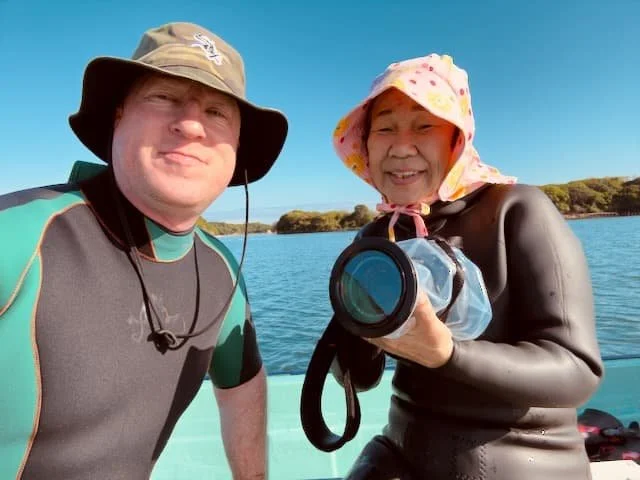
Photographing ama divers off the coast of Iseshima, Mie Prefecture, April 2025, for Virtuoso, The Magazine.
As AI-generated imagery floods the market, the value of genuine human moments captured by skilled and experienced photographers in the field doesn’t decrease, it increases. Authenticity becomes scarcer, and scarcity drives value.
The anxiety around AI is understandable. I get it. But after this experience, after using AI to build something that genuinely works for me, I’m optimistic about these tools. I also have a clearer sense of where the line is: what they can deliver, and what they can’t replace. The editors and clients I work with aren’t hiring an AI. They’re commissioning a photographer who shows up to every location prepared, present, and ready to respond to the moment, using a system built on nearly two decades of experience making images and telling stories.
PhotoRecon was made for photographers who show up and immerse themselves in the story. The photographer who was actually there, who built the relationships, who understood the light, the interplay, the moment — that can't be automated, or generated, or replaced. The work we do is deeply human. We wield technology to make ourselves more adept, more productive, and to elevate our craft, as humans have always done. Ultimately, the tech is a means to an end. And that end isn't really an end at all. It's the creative act itself.
PhotoRecon is available now on the App Store. Learn more about the app and its features here.
© Ben Weller. All rights reserved.
No part of these photographs may be copied, reproduced, stored, or used in any form—digital or print—without the express prior written permission of the photographer.