
Photographing a Modern Mountain Home on Japan’s Izu Peninsula for The Wall Street Journal
Japan’s Izu Peninsula, with its jagged coastline, volcanic topography, and sweeping views over Sagami Bay, offers some of the country’s most dramatic scenery. French software engineer David Thevenin, born in Tahiti and now based in Tokyo, fell in love with the area years ago. Earlier this year, he made his dream of building a mountain home there a reality.
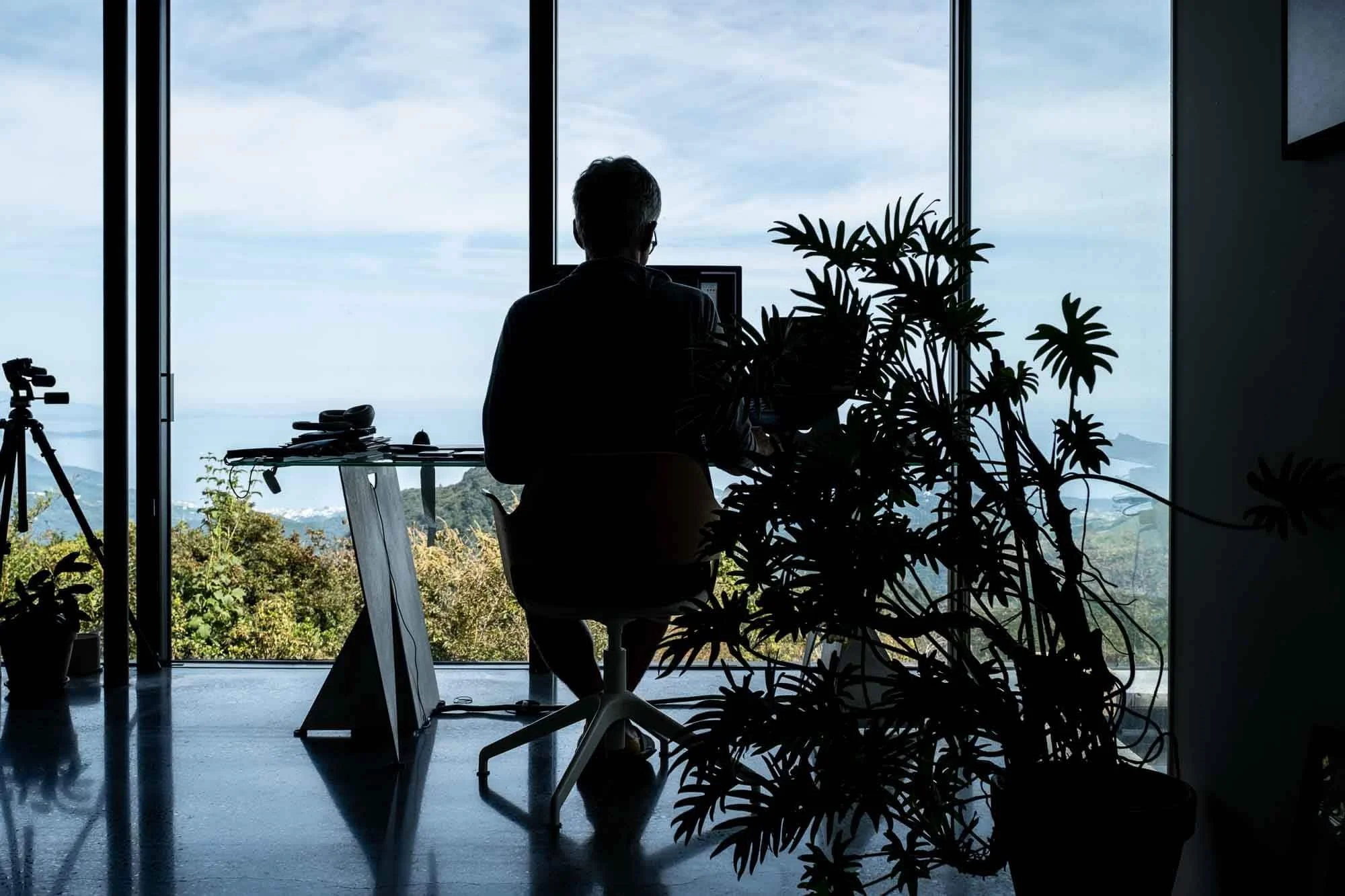
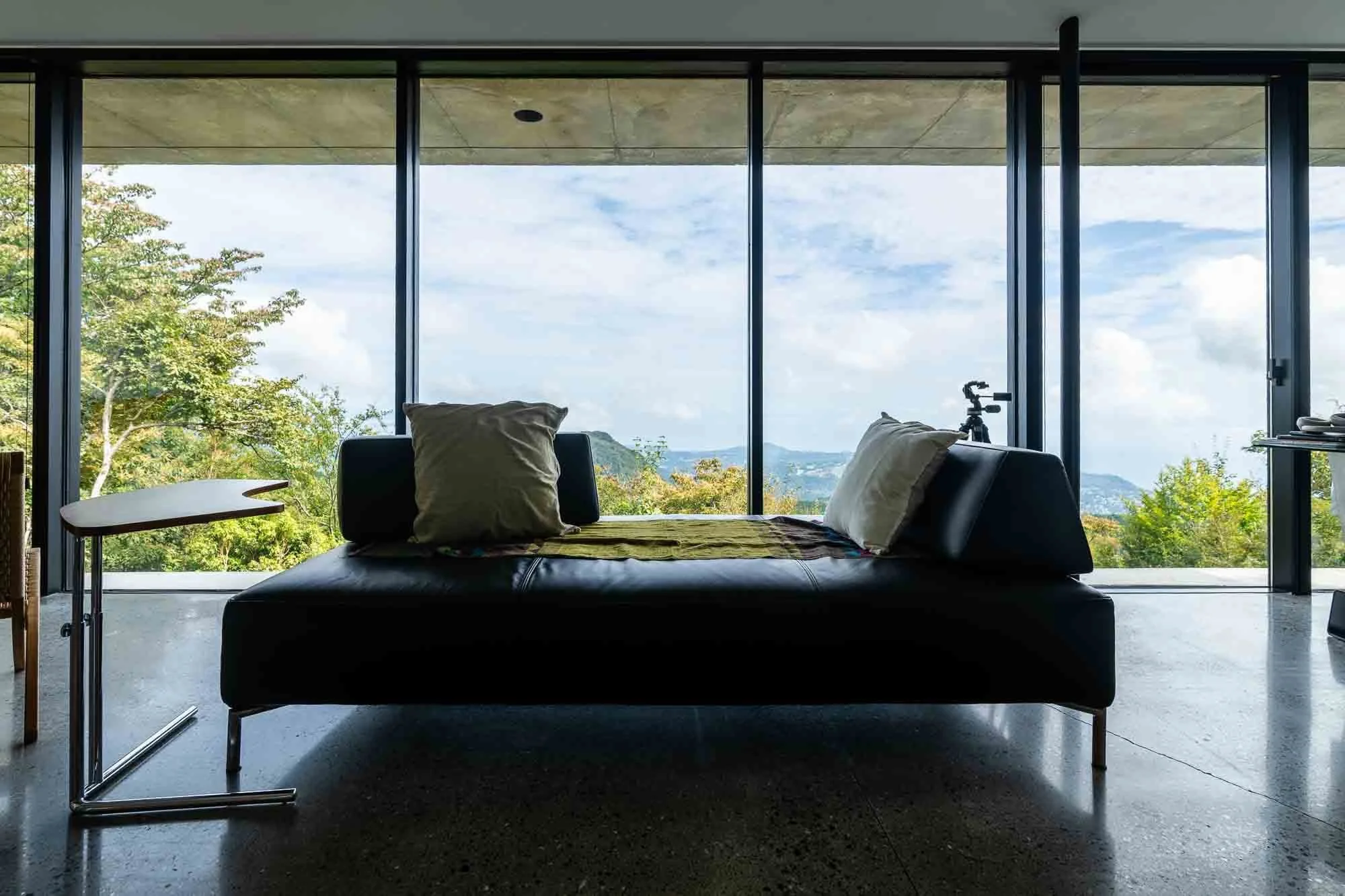
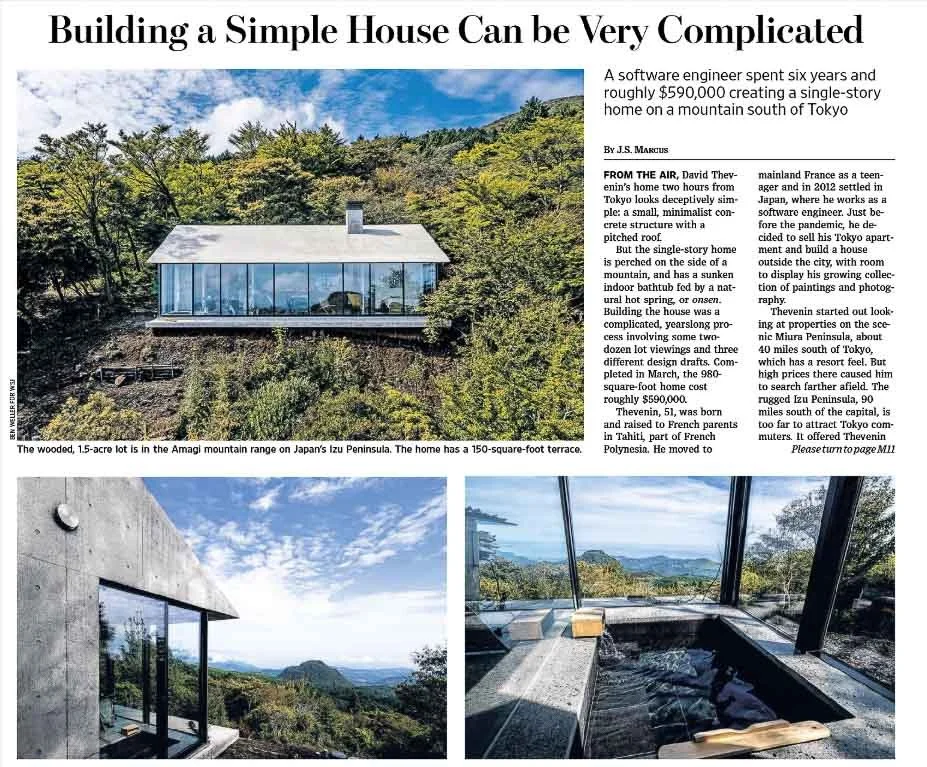
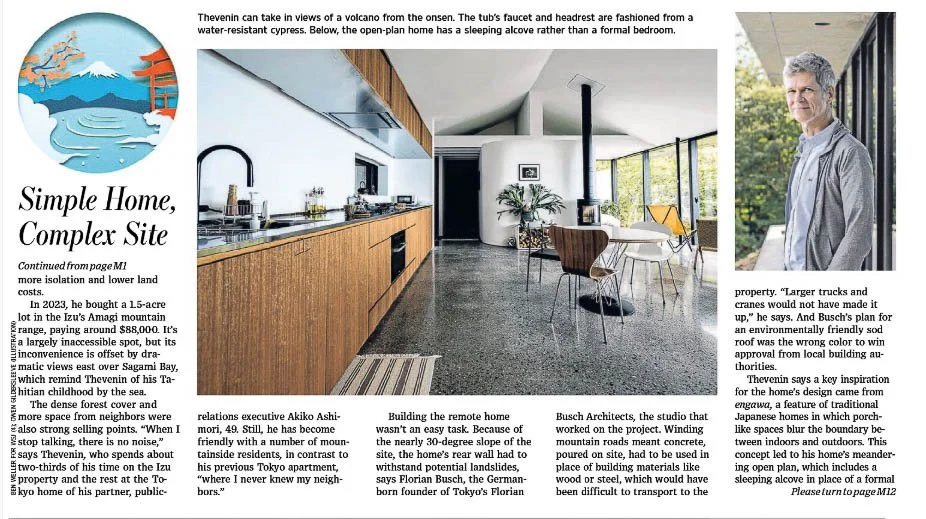
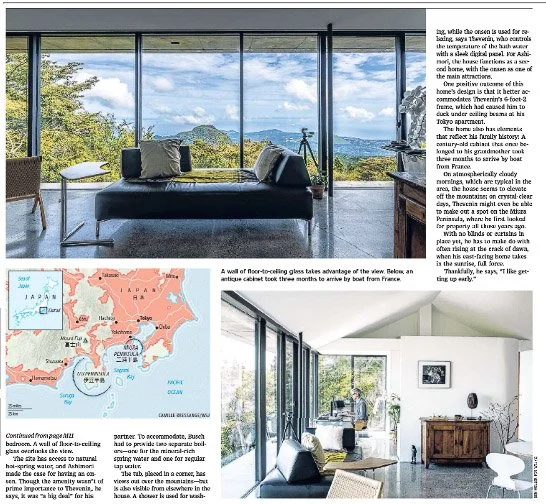
I recently photographed his house for the Wall Street Journal’s Mansions section. The sleek, 980-square-foot concrete retreat, with it’s massive eastern-facing windows and sunken spring-fed tub, and decorated with Thevenin’s growing collection of tastefully edgy art, is a study in isolation and minimalism balanced with comfort.
The assignment landed in my inbox on a Wednesday, with a narrow window to shoot the home in good weather and before Thevenin returned to Tokyo. Tight deadlines are typical in editorial photography, but this one required extra coordination. Thanks to my editor’s quick communication and Thevenin’s gracious flexibility, I was on the road to Izu early the next morning.
The assignment
Editorial work demands versatility, and this shoot drew on several of my skill sets: architectural photography, portraiture, and drone videography. My editor wanted a balanced and comprehensive set of images: exteriors, interiors of the main spaces (especially the onsen and the office), portraits of David, and drone footage to place the house in its landscape.
Capturing the feeling of being inside the house and being immersed in the view was essential. Because it sits on the mountain’s eastern slope, we shot in the morning to avoid backlighting the house. That made for challenging interiors, with strong contrast between the exterior view and the details within. As is typical in this scenario, I used a tripod and bracketed up to five images for each interior scene in order to handle the wide dynamic range, merging them later in Lightroom. The Nikon Z8’s large files and best-in-class sensor gave me plenty of latitude, and the Nikkor Z 14–30mm f/4 S let me convey the home’s open layout without distortion.
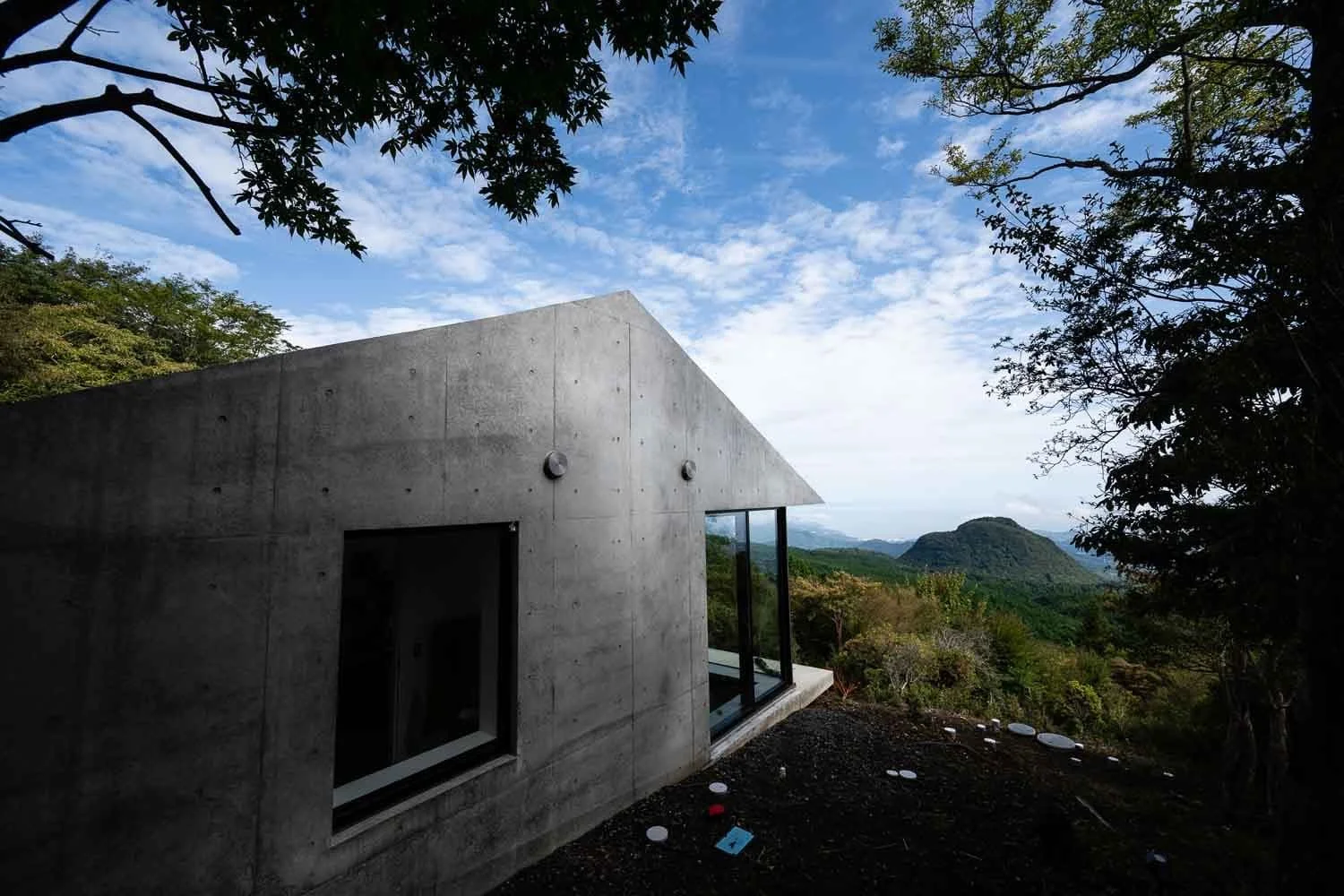
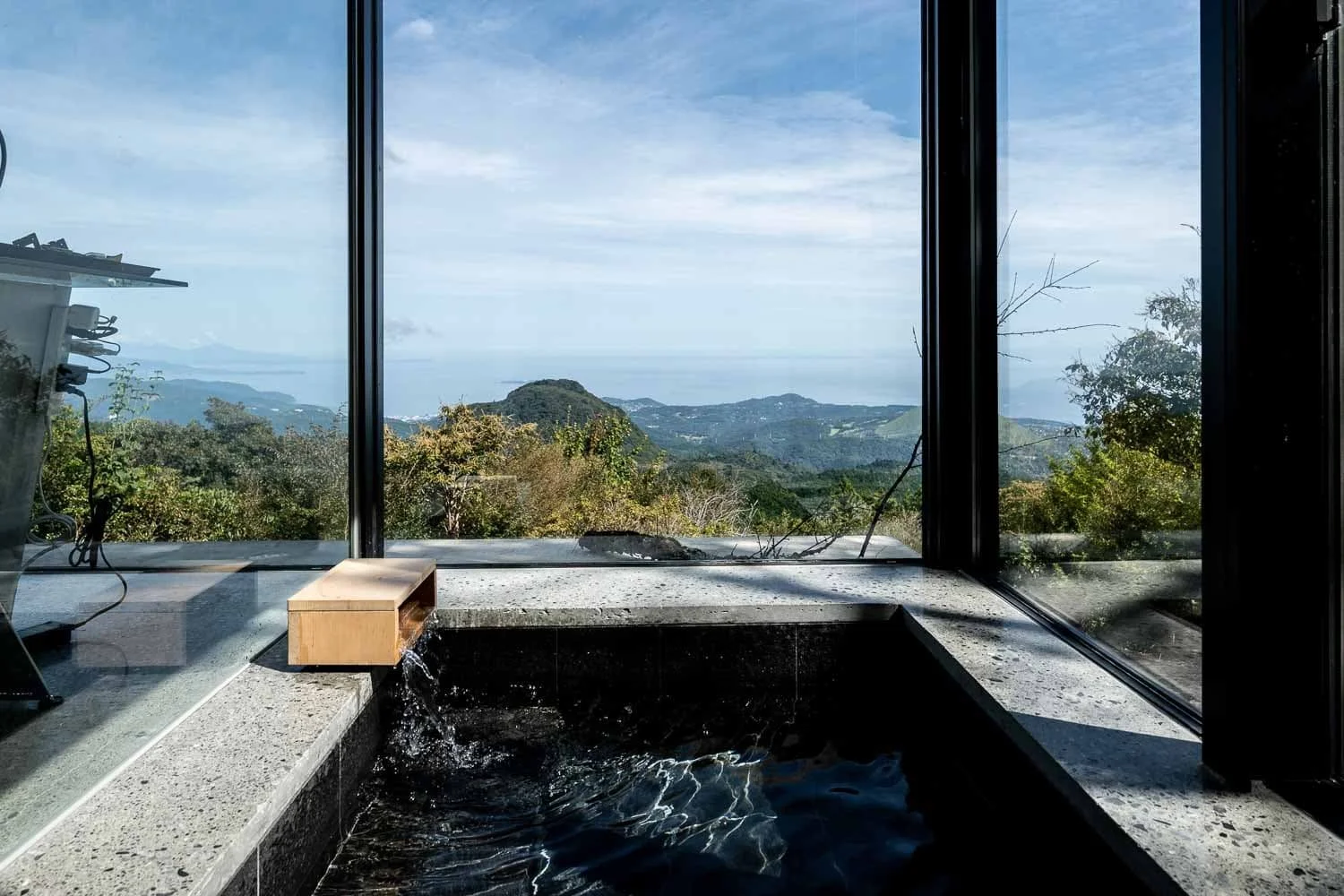
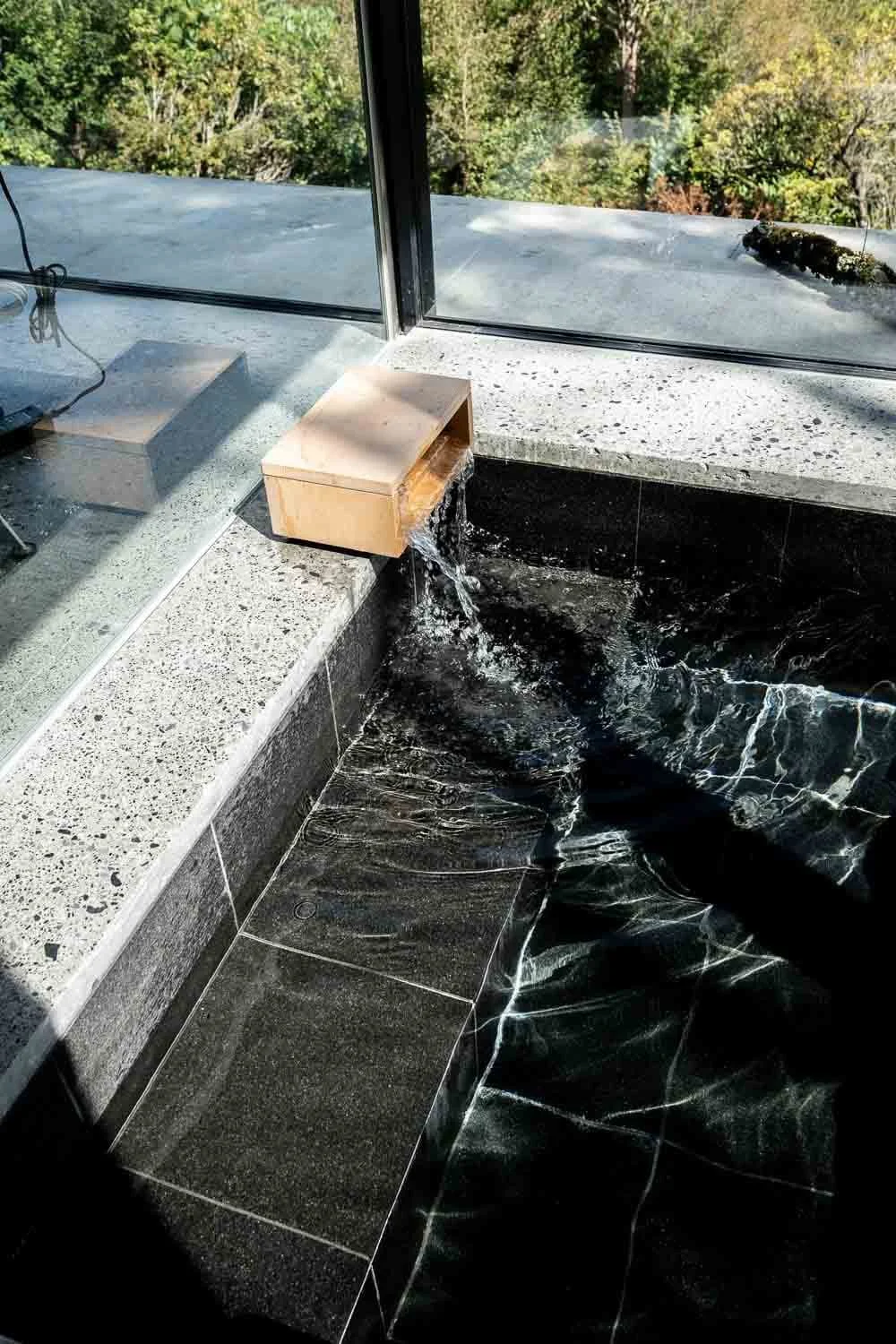
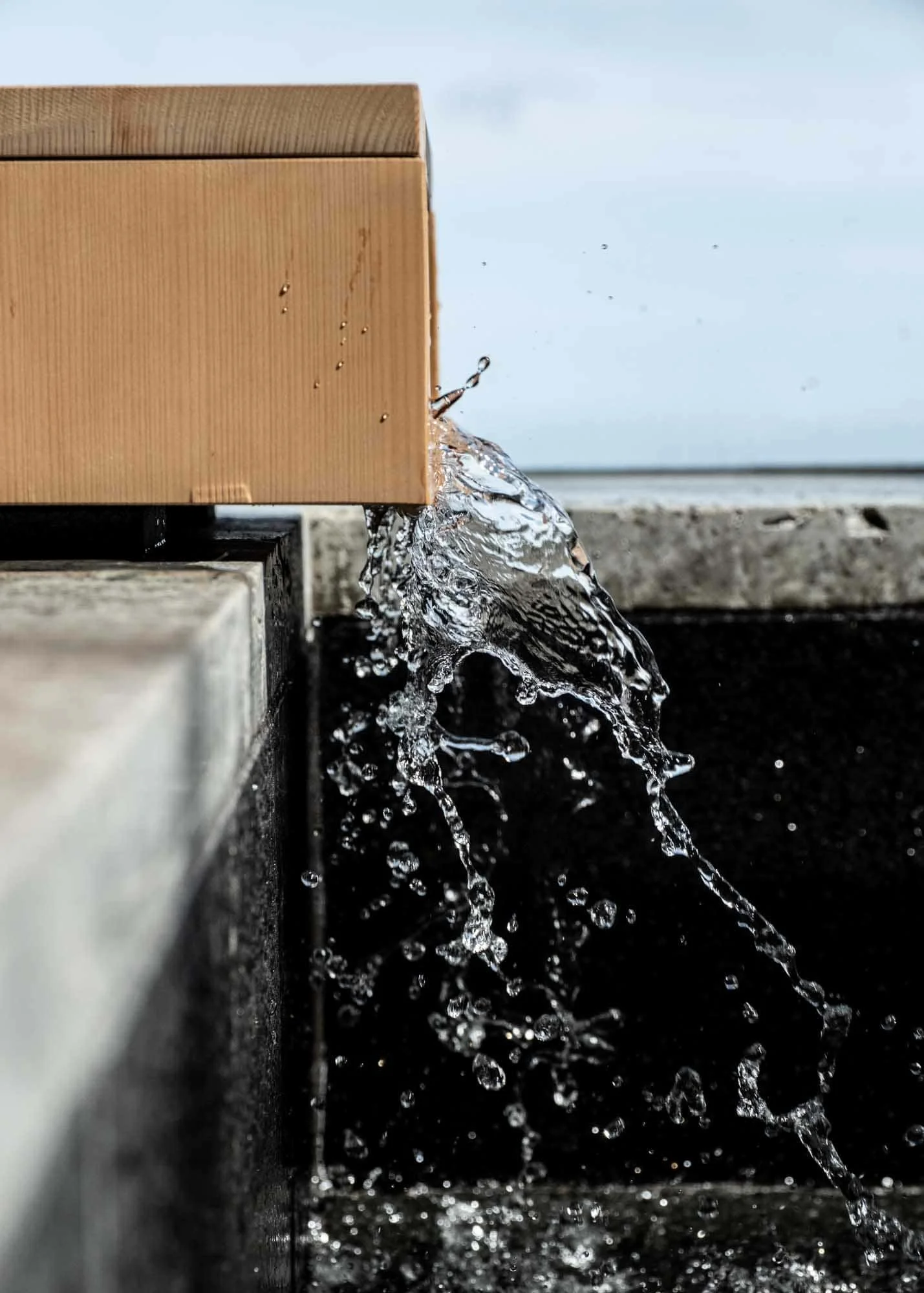
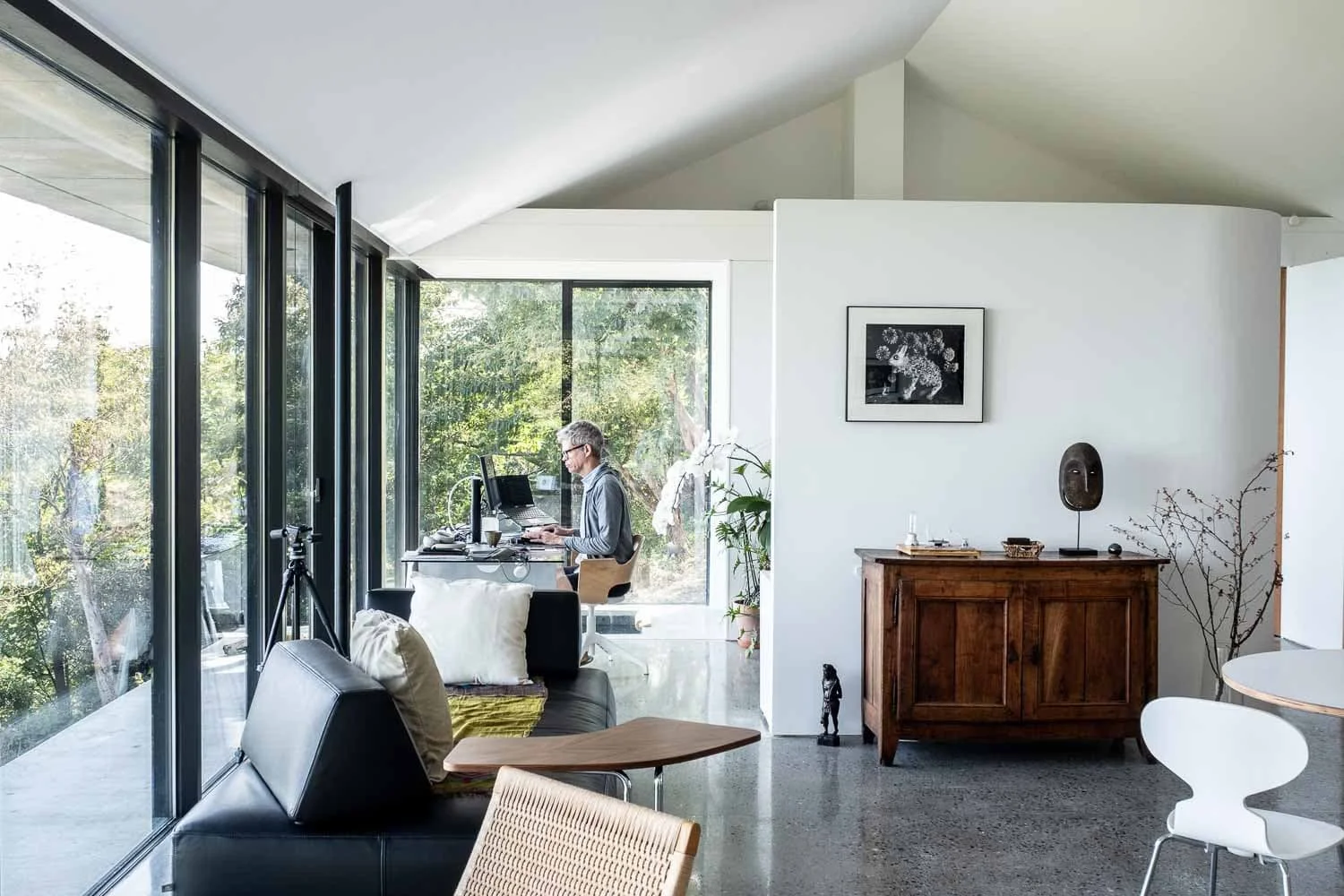
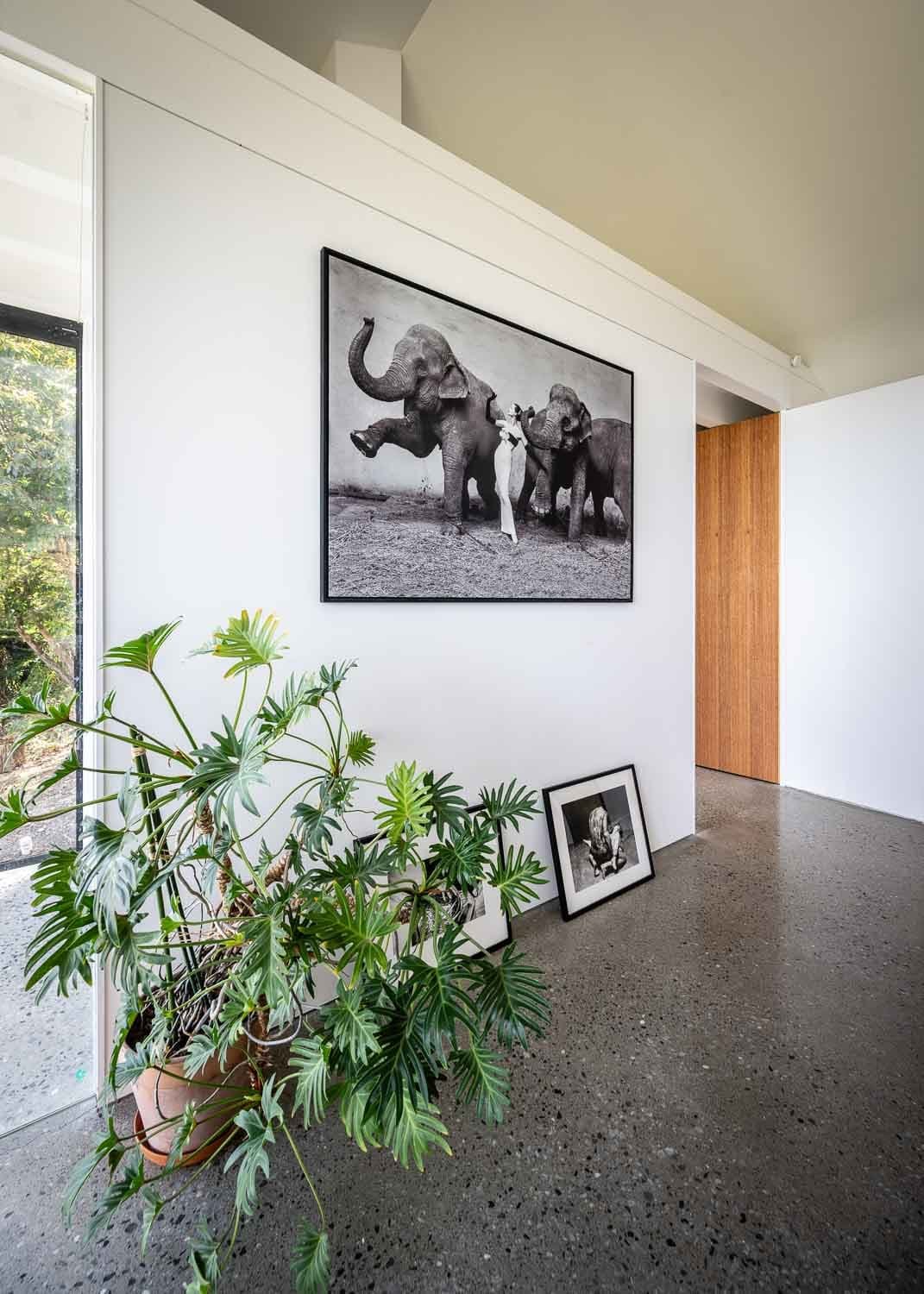
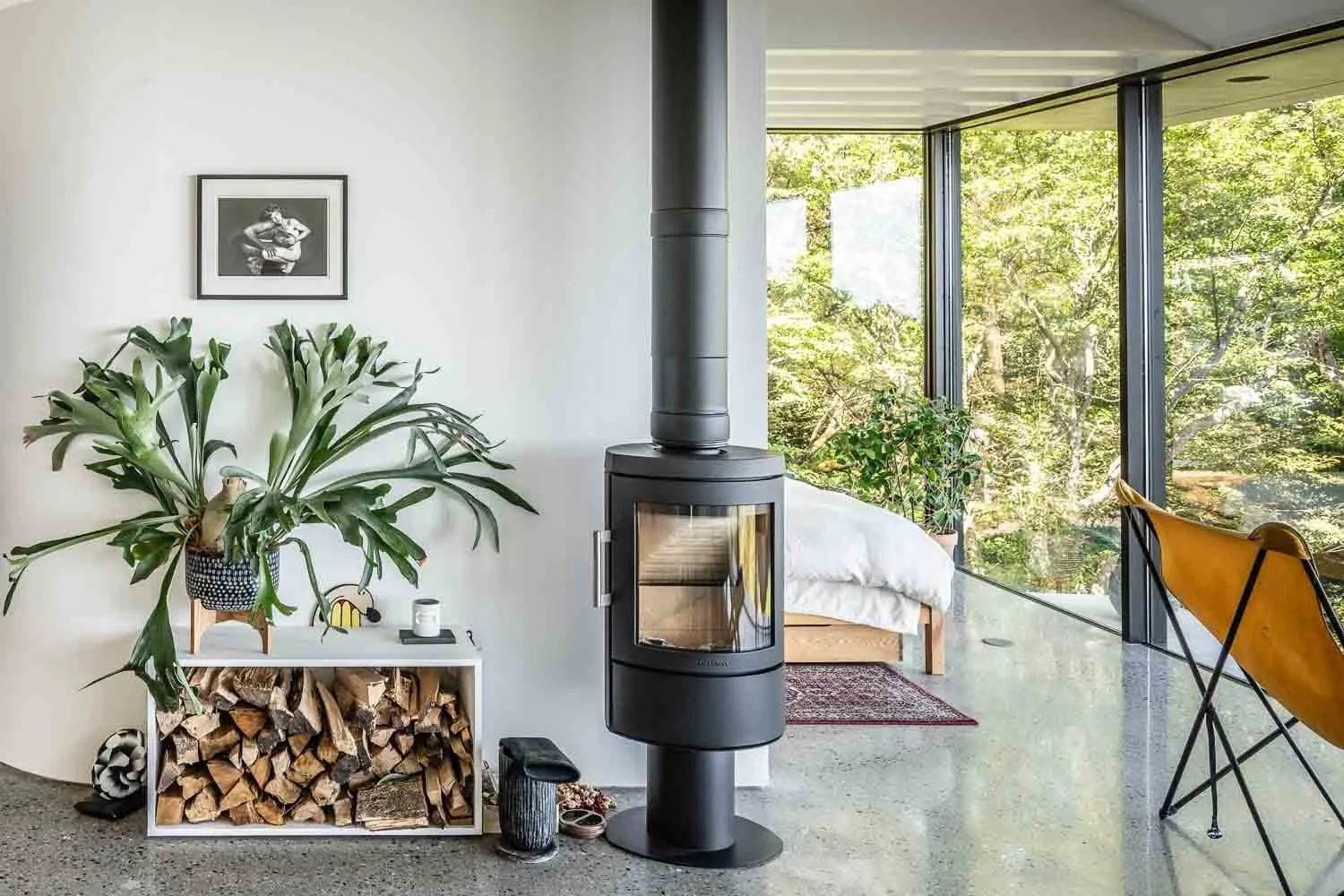
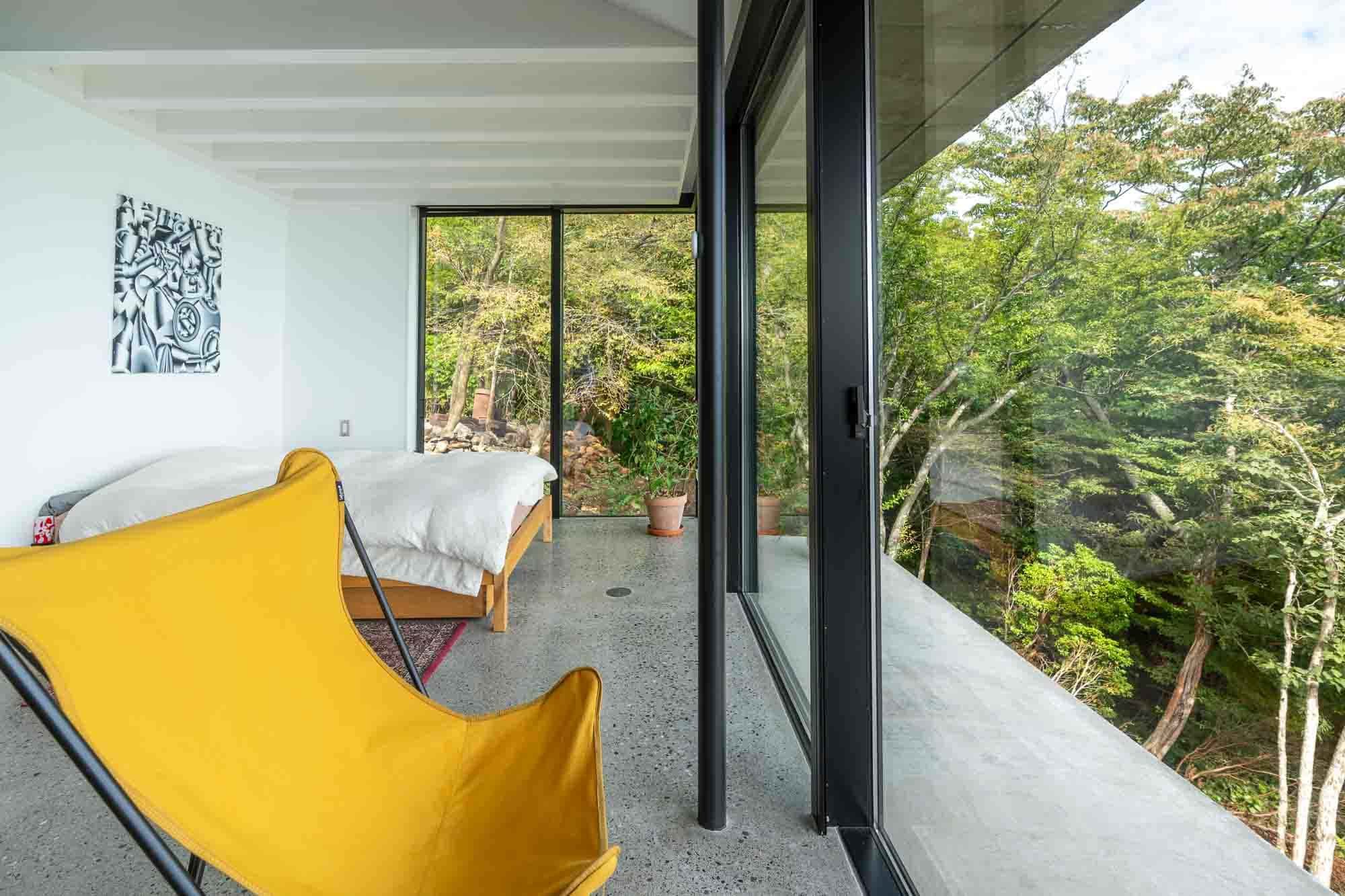
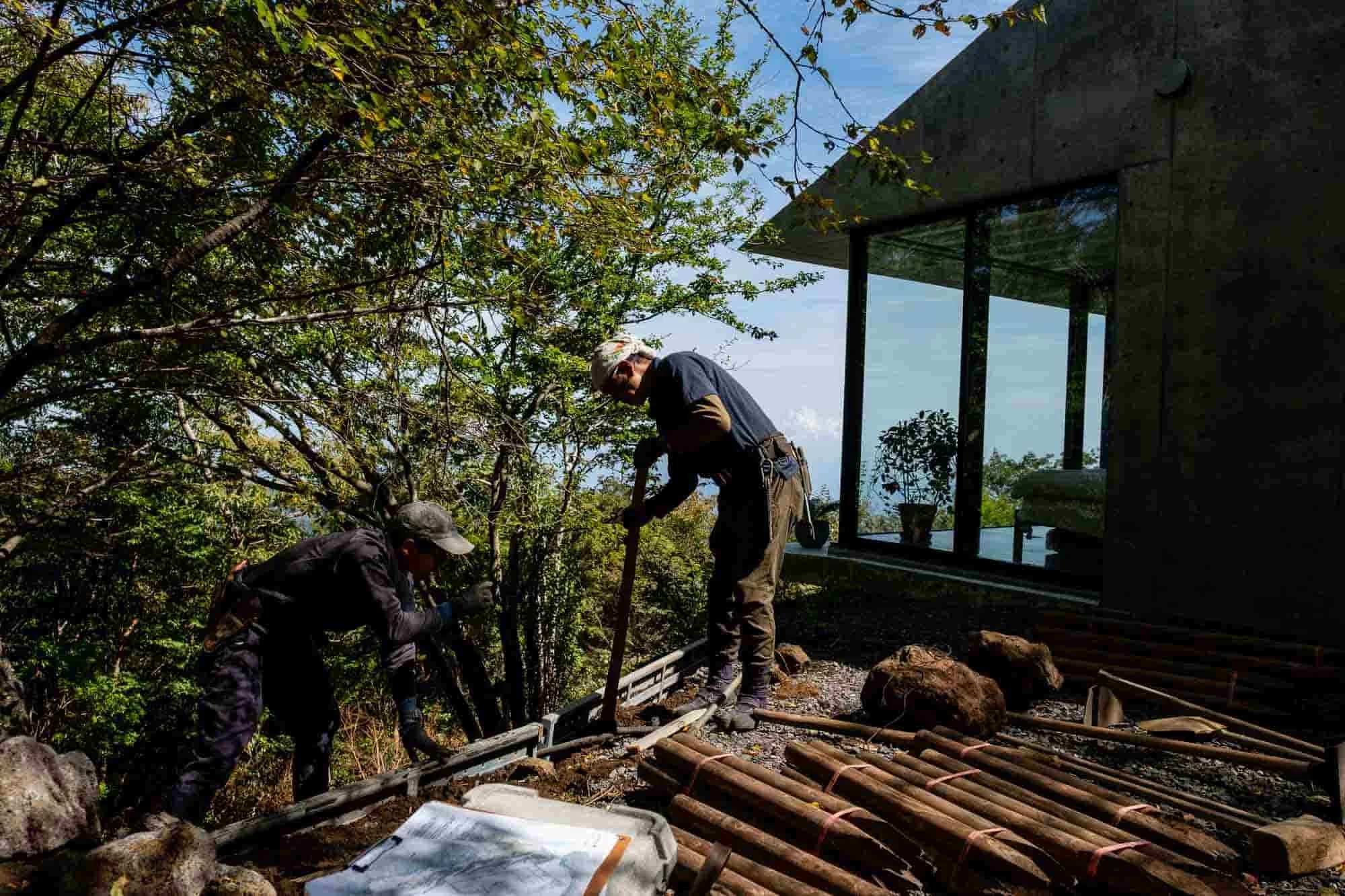
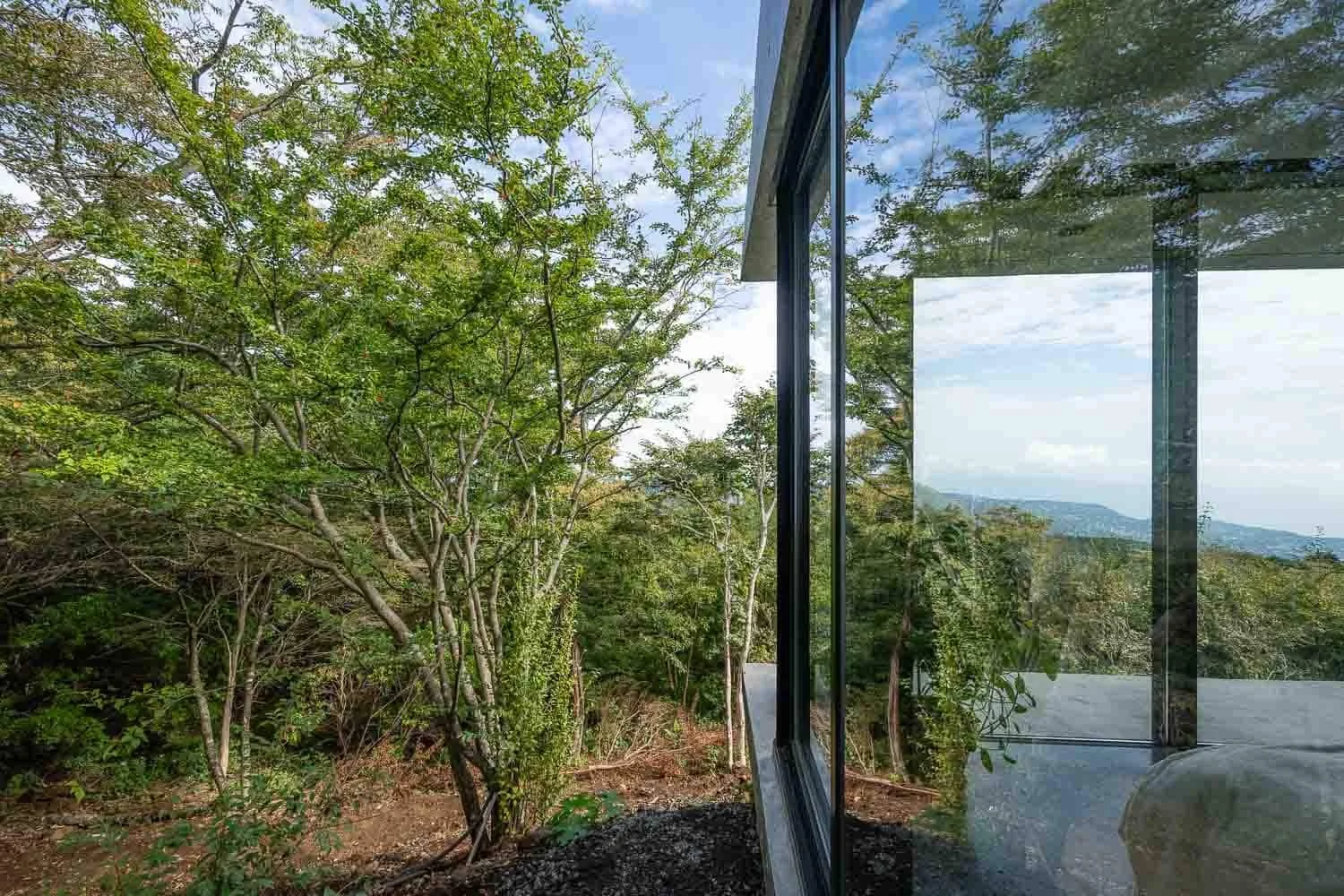
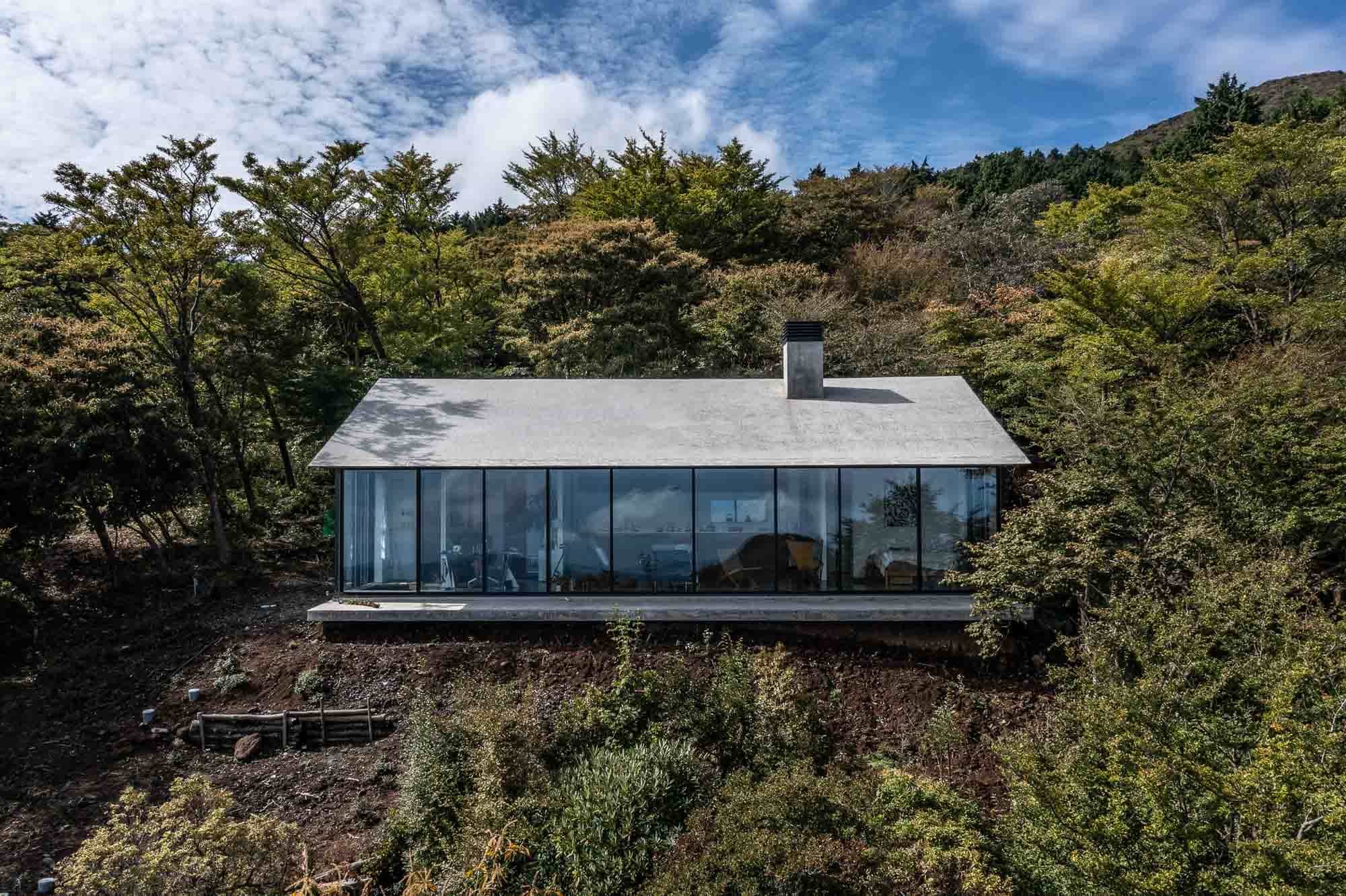
Aerial view of Mt. Omuro (right) and the surrounding volcanic terrain of the Izu Peninsula, where dense forests meet the Pacific.
Connecting with the story
Ultimately, in all of my work I’m looking to tell a story. In this case, that’s the story of a man who turned an idea into something tangible, a vision made concrete. The home was an extension of David himself, so I wanted to understand as much about him as I could in the short time we had. He was busy at his desk, but we talked as we both worked, and every so often he’d get up to show me a piece of art or make coffee. We bonded over our shared love of black-and-white photography, our interest in architecture and home building, and our experiences as fathers and expats in Japan.
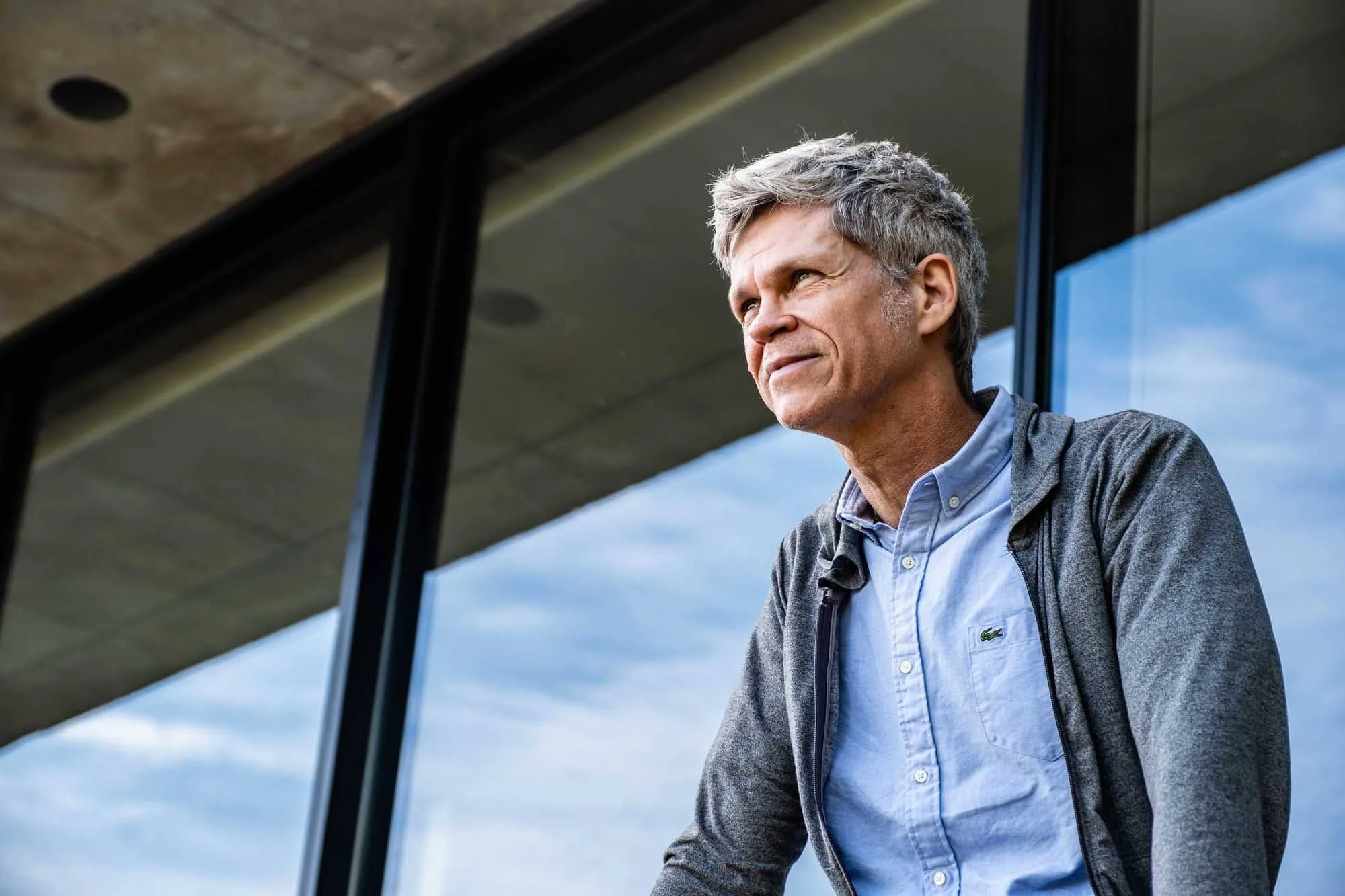
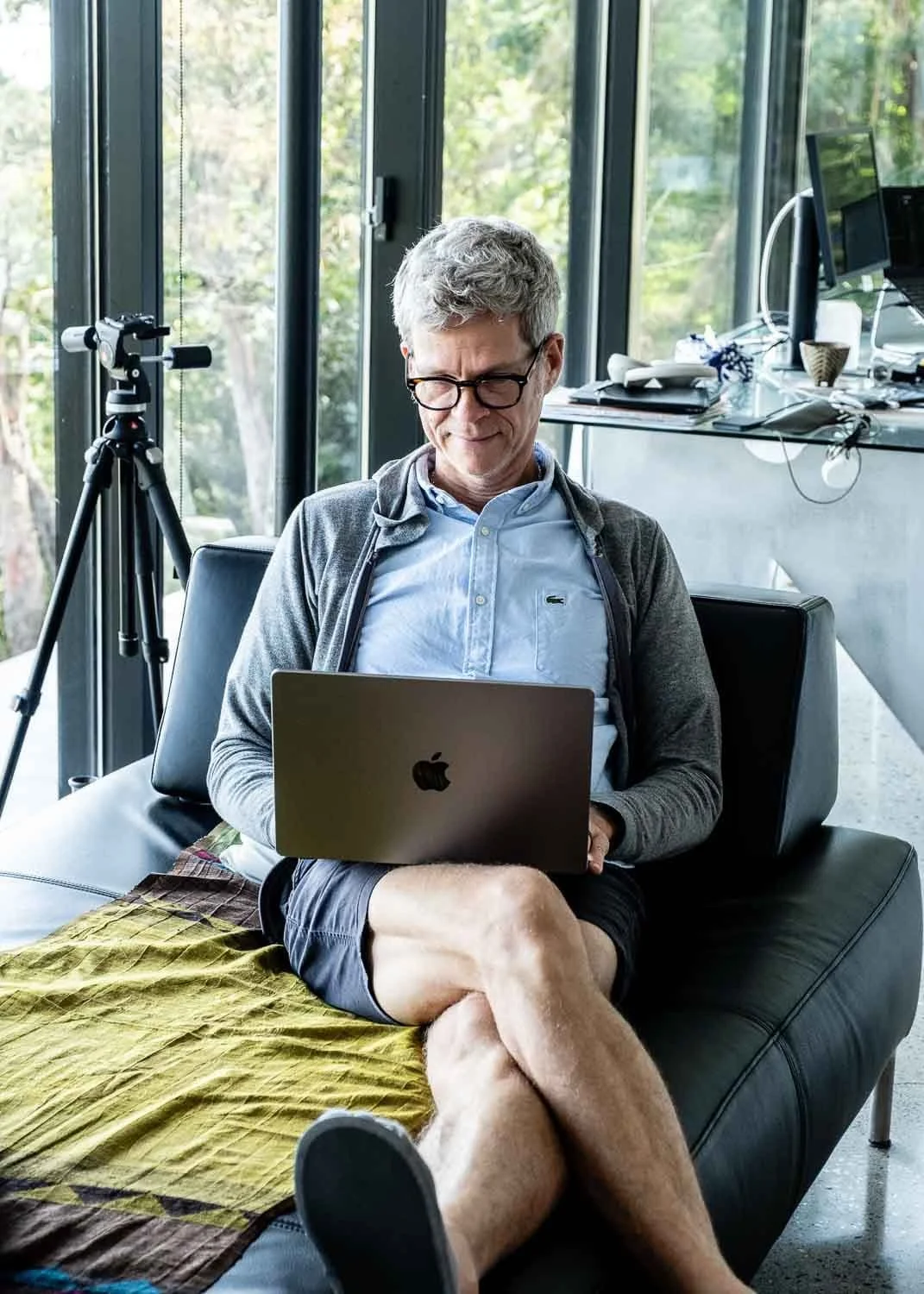
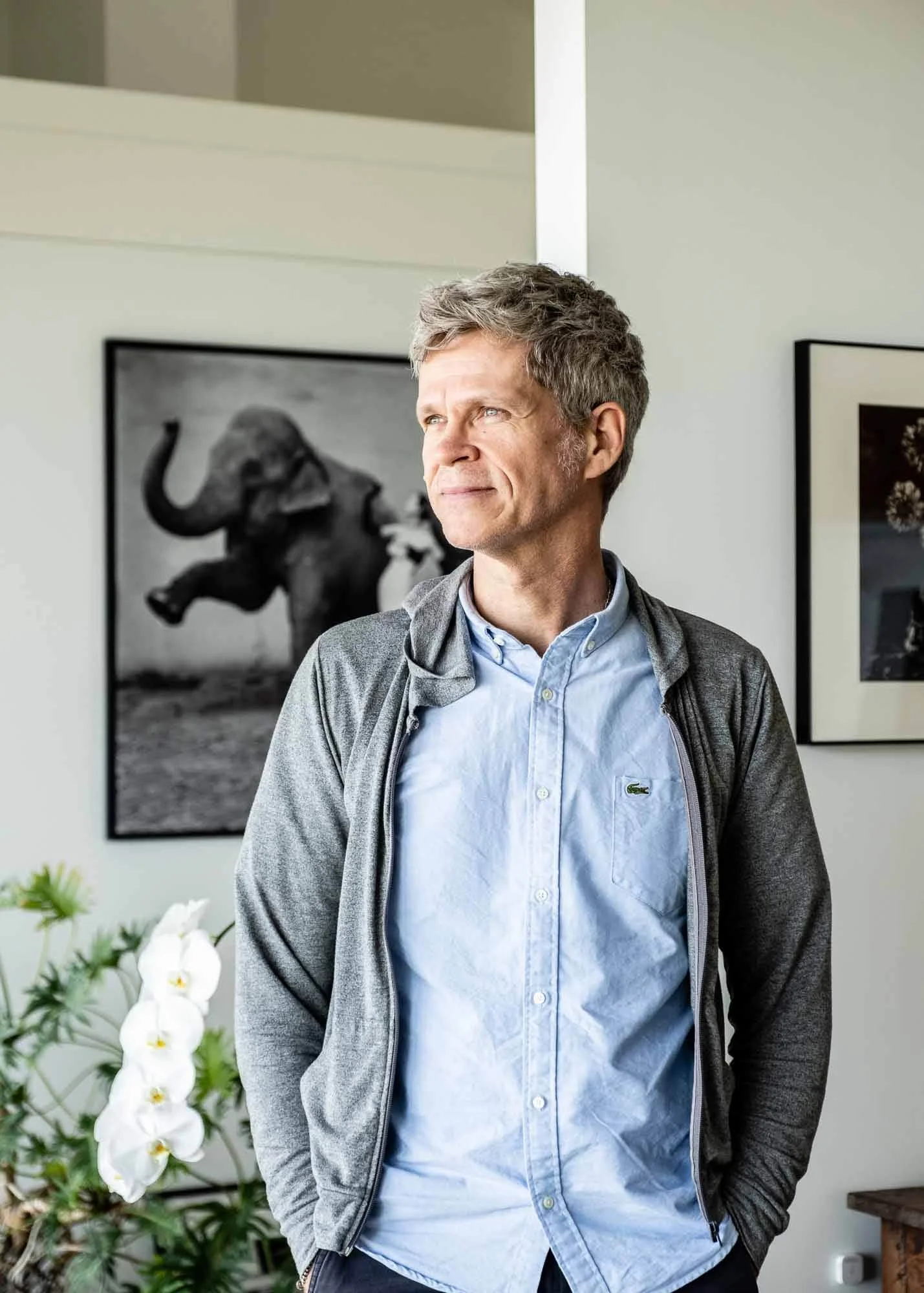
We wrapped the day with some portraits, and then I was on my way back to my own home in Fujisawa. I had images and videos filed the next day, and quickly got an email back from my editor thanking me for a job well done. The story appeared in the October 17, 2025 issue of The Wall Street Journal, and online here. Thanks to David, the writer J.S. Marcus, and the editing and design team at The Wall Street Journal who brought this story together.
As an editorial and commercial photographer based in Japan, I work with publications and clients who value strong storytelling and a deep sense of place. If you’re looking for photography that captures Japan’s architecture, landscapes, and people with vision and accuracy, I’d love to collaborate.
All images/video © Ben Weller. All rights reserved.
No part of these photographs may be copied, reproduced, stored, or used in any form—digital or print—without the express prior written permission of the photographer.