
Visual Reportage in Japan: Planning, Access, and Story

Craft and precision photographed on assignment in Japan, showing the kind of hands-on process and visual storytelling involved in editorial and commercial photography assignments.
As a commercial and editorial photographer based in Japan, I help international brands, editors, hotel groups, tourism boards, and marketing teams plan and execute complex photography assignments on the ground.
A strong photography assignment in Japan begins before the first frame is made.
The brief matters. So do the shot list, schedule, locations, and client goals. But the strongest assignments also depend on what happens between those formal pieces: research, access, timing, local judgment, and the ability to recognize what the story needs once the photographer is on the ground.
After 16 years photographing editorial, industrial, hospitality, corporate, and travel assignments across Japan and East Asia, I have learned that good planning does more than keep things on schedule. My assignments have included work for publications such as The Wall Street Journal, Bloomberg, National Geographic Traveller, Virtuoso, Christianity Today, and Nature, as well as commercial and corporate clients including Total, Statoil, BP, Shell, Momentive, Zeiss, and Siemens. Across that range of work, the lesson has been consistent: planning protects budgets, opens access, reduces stress, and, crucially, gives the photographer room to pause, observe, and make stronger images.
Whether you are looking to hire a photographer in Japan for an editorial feature, a corporate campaign, a factory shoot, a hotel opening, or a tourism project, the following practical considerations can make the difference between useful coverage and a complete visual story that works for your audience.
Start With the Story, Not the Shot List
A shot list is useful, but it is not the story.
“Factory exterior,” “CEO portrait,” “guest room,” or “local culture” may describe what needs to be photographed, but they do not explain what the images should communicate.
Before planning locations or schedules, it helps to ask one question first: What should the audience understand after seeing these photographs?
For an industrial client, the answer might be precision, safety, innovation, or scale. For a hotel, it might be exclusivity or escape. For an editor, it might be tension, discovery, or character.
That question changes how I approach an assignment. It affects what I look for during research, how I think about locations, what I notice during scouting, and how I build visual continuity from frame to frame. A strong set of images should not feel like a collection of isolated subjects. It should feel like one coherent visual argument.
What Logistics Matter Most for a Photography Assignment in Japan?
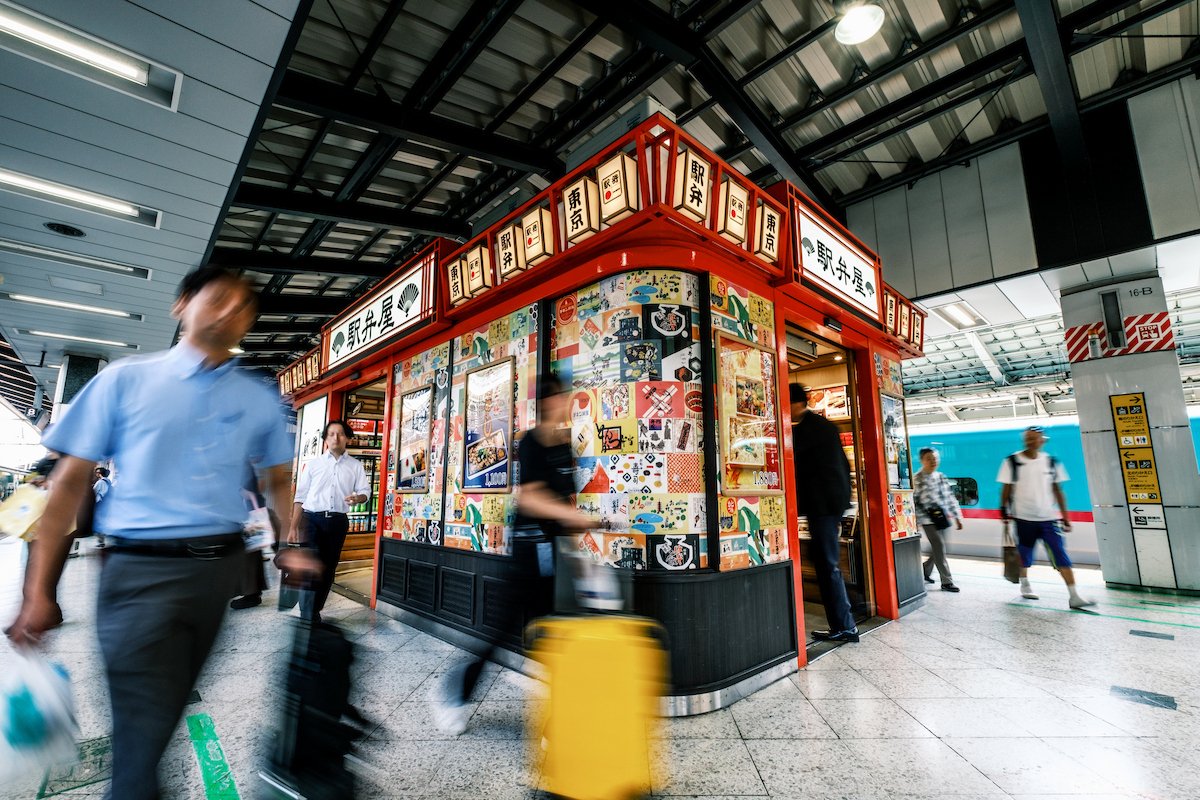
Japan’s excellent transportation infrastructure makes travel planning easier, but building in buffer time can lead to stronger, unplanned images that advance the story. Pictured: Tokyo Station, shot on assignment for Bloomberg Markets.
Travel time, location access, production windows, weather, and schedule buffers are some of the logistical factors in a photography assignment in Japan.
Japan has excellent infrastructure, but that does not mean every assignment is easy to schedule. A location may look close on a map but require several train transfers. A rural destination may require a car. A factory may only allow photography during a narrow production window. Hotels need to avoid disturbing guests.
For international clients, the biggest surprise is often how much time can disappear between locations.
This is why I usually recommend building realistic buffers into the schedule. A rushed shoot rarely makes anyone happy. A carefully paced shoot gives everyone time to solve problems, adjust to light, and respond to what is actually happening on location.
This is especially important for Japan corporate photography, where the schedule may need to accommodate executives, facilities, production teams, safety staff, and outside communications teams at the same time.
Think Seasonally, Not Just Visually
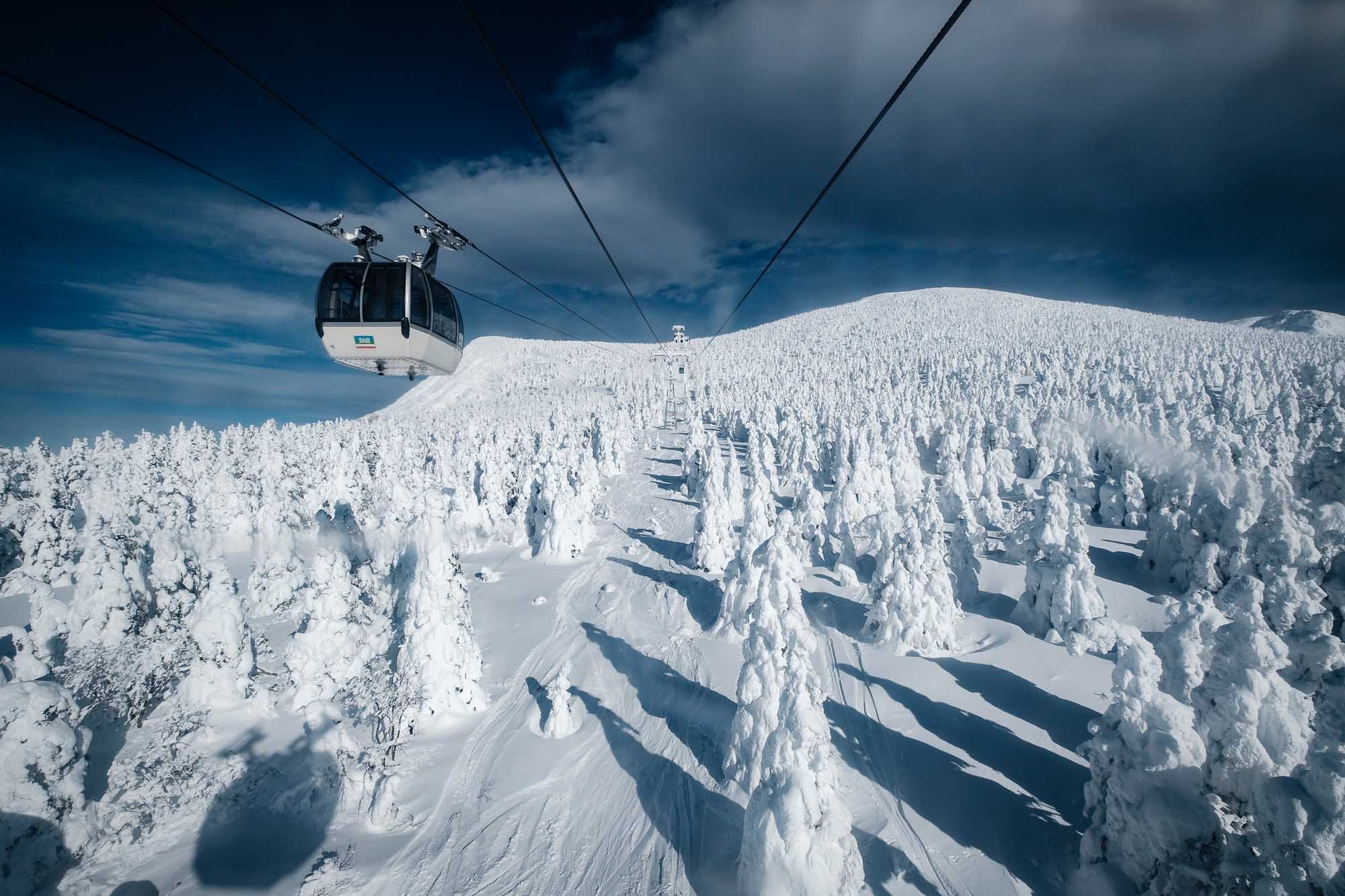
Winter travel through Tohoku, photographed on assignment for National Geographic Traveller. Seasonal timing, transportation, weather, and daylight all shaped the story.
The best time to photograph Japan depends on the story, not the postcard version of the season.
Japan changes dramatically by season. Cherry blossom season can be beautiful, but it is also crowded and expensive. Autumn color varies by region and elevation. Summer brings heat, humidity, festivals, and typhoon risk. Winter can be stunning in Tohoku and Hokkaido but may require more planning around snow, transport, and daylight.
For a National Geographic Traveller assignment in Tohoku, the story was built around train travel through northeastern Japan. That kind of assignment depends on more than attractive scenery. It requires timing, transport planning, regional knowledge, and the ability to respond when weather and light change quickly. When the brief came in, I handled the on-the-ground scheduling and logistics myself so I could stay flexible, adjust to conditions, and keep the photography aligned with the story as the assignment unfolded.
The right season is the one that supports the assignment’s story, gives the production a realistic chance of success, and matches the client’s intended use for the images and their publication schedule.
Local Knowledge Is More Than Language
Speaking the local language helps, of course. But local knowledge goes much further.
It means understanding how permissions work, how people expect to be approached, when a location will be crowded, and when a “simple” plan may become complicated.
This is especially important for editorial and travel assignments. A restaurant, shop, temple, or rural community may look open and accessible, but deep reportage demands trust, timing, and sensitivity.
When Virtuoso, The Magazine asked me to photograph ama divers on the coast of Ise-Shima, I called on a local tourism bureau contact whom I had worked with before. He helped me make connections in the community and arrange an off-season diving session with an ama diver. That kind of relationship can make deeper access possible, especially when an assignment depends on people and cultural context.
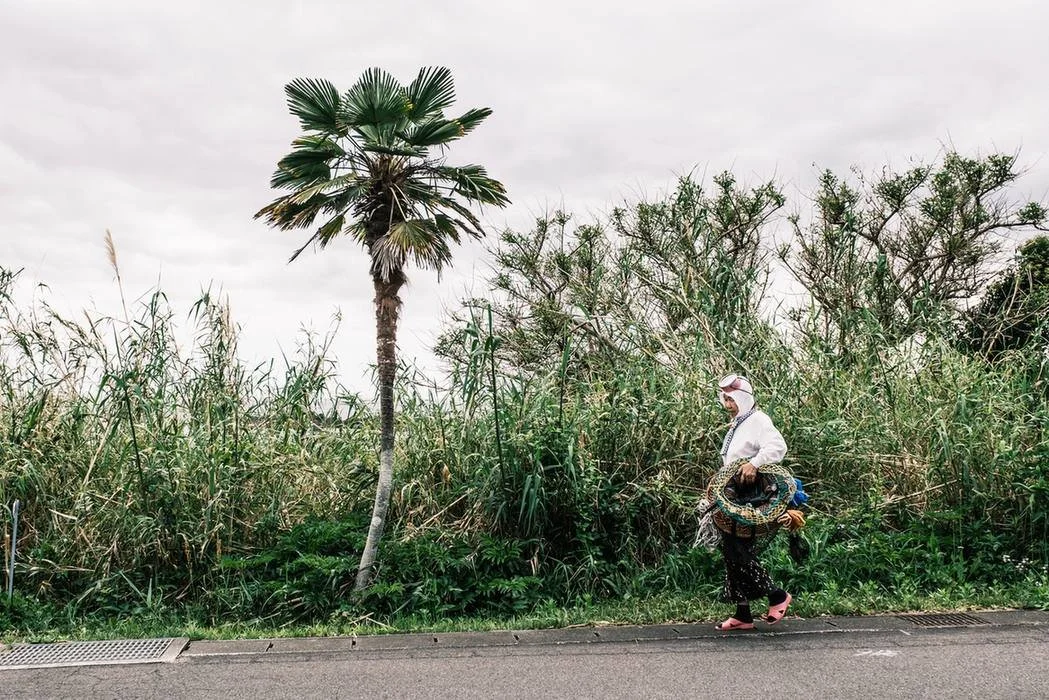
Ama diver Kimiyo Hayashi has been diving in the coastal waters of Iseshima for more than five decades. Photographed on assignment for Virtuoso, The Magazine.
For an editorial photographer in Japan, local knowledge and local connections are not just a convenience. They open doors and make the difference between surface-level coverage and reportage with texture and weight.
Build Flexibility Into the Schedule
Good planning should not eliminate spontaneity. It should create enough structure that you can step outside it when the moment demands.
Some of the strongest photographs are never on the original shot list. A worker pauses in beautiful light. Morning mist hangs over a valley for just a few minutes. A chance encounter leads to an invitation to someone’s home or into their workshop.
I experienced this on an assignment for National Geographic Traveller that took me across Kyushu over several days. The brief covered everything from a family-run strawberry farm, to a luxury resort, to the streets of Nagasaki, requiring long days behind the wheel of a rental car and constant adjustments to the schedule. Weather changed, light came and went, and opportunities appeared that could not have been predicted during the planning stage.
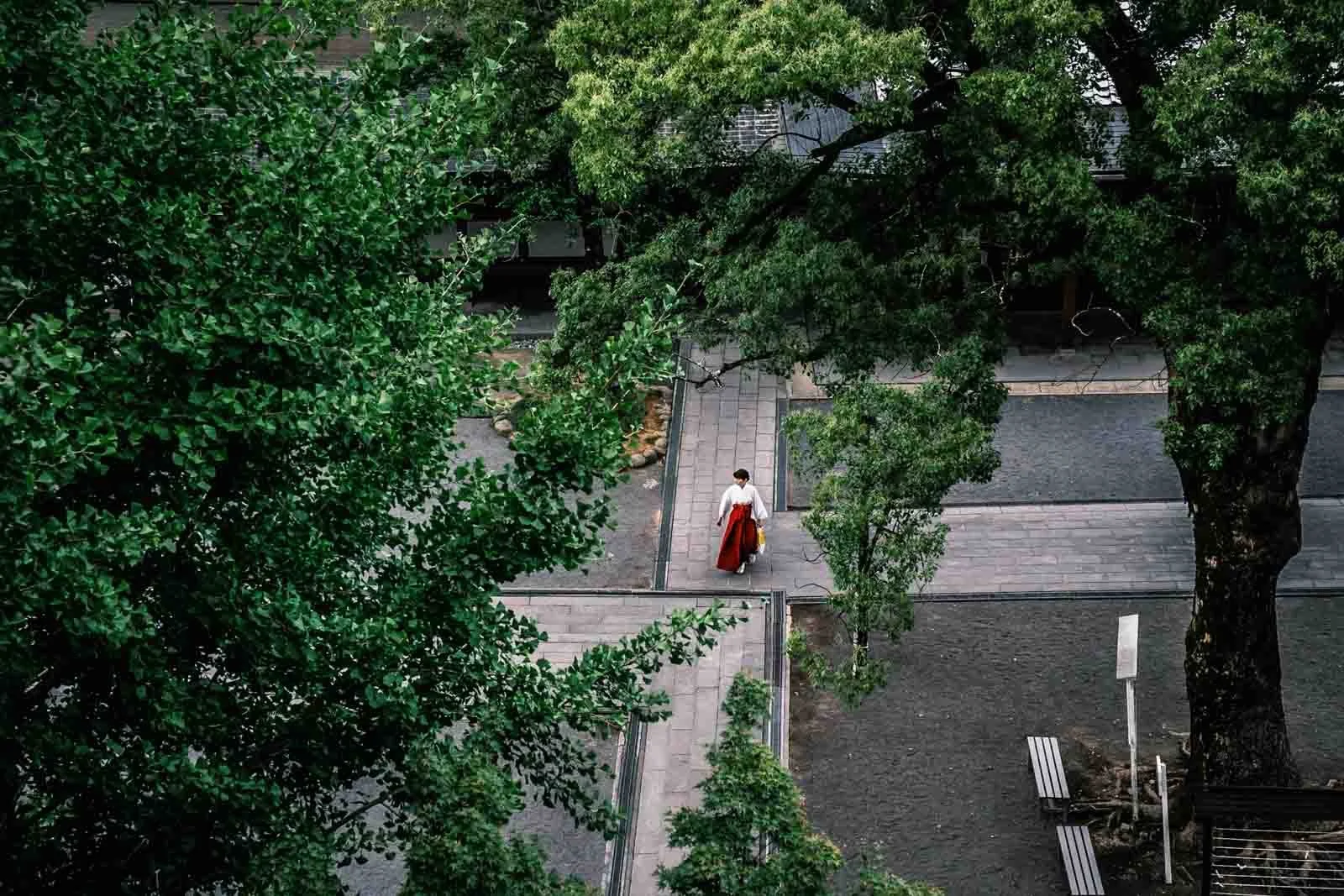
This image of a shrine miko at Yutoku Inari Shrine in Saga Prefecture, Japan, required quiet observation and patience. Having built plenty of time into my schedule, I could afford to wait for the scene to unfold rather than ticking off boxes on my itinerary.
Because I understood the geography and the pace of travel, and had built flexibility into the schedule, it was possible to adapt as the assignment unfolded without losing sight of the editorial brief. Some of the strongest photographs came from those moments between planned locations, where I could respond to what was happening on the ground rather than simply follow an itinerary.
For international clients, that is one of the advantages of working with a photographer based in Japan. Local experience is not just about knowing where to go. It is about understanding how to keep an assignment moving when conditions change, while still delivering the images the client needs.
For Corporate Teams: Protect Production, Safety, and Confidentiality
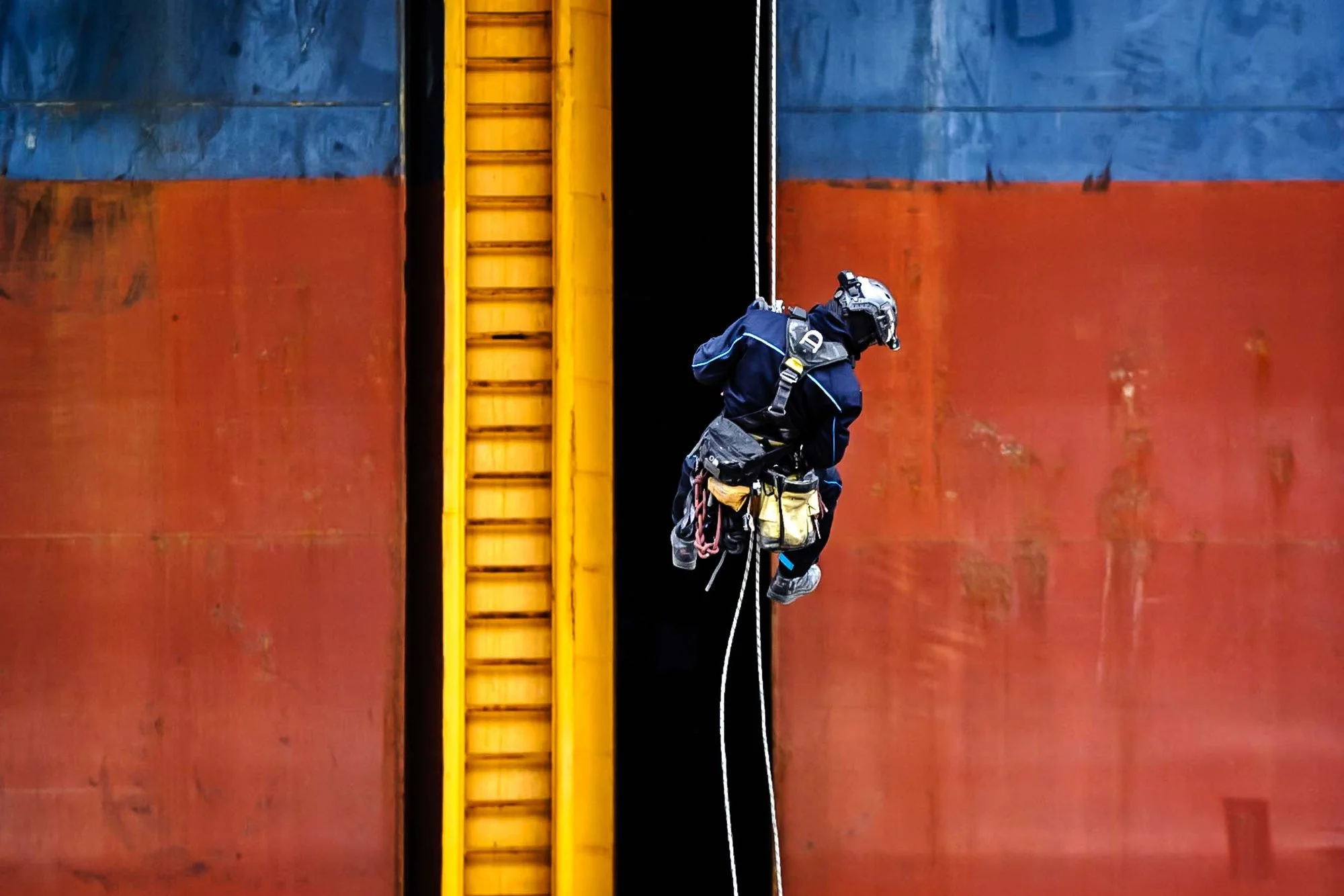
Japan-based photographer Ben Weller executes complex industrial photography assignments for international clients in Japan and South Korea.
Corporate and industrial photography in Japan and South Korea involve more than creative direction.
There may be safety briefings, PPE requirements, production schedules, legal reviews, brand guidelines, and areas that cannot be photographed. For manufacturing clients, the photographer needs to understand both the visual goals and the operational limits of the site. A strong industrial photographer should be able to make compelling images while respecting safety, confidentiality, and workflow.
That means working with communications teams, plant managers, safety officers, and sometimes legal or technical staff. It may also mean travel to often far-flung manufacturing facilities, or hiring a local videographer.
This is one reason local experience matters. Industrial photography is not just about dramatic machinery. It is about communicating process, people, quality, and trust without disrupting the work being documented.
For companies searching for an industrial photographer in Japan, that combination of visual judgment and production discipline is essential.
For Editors: Access, Independence, and Trust Matter
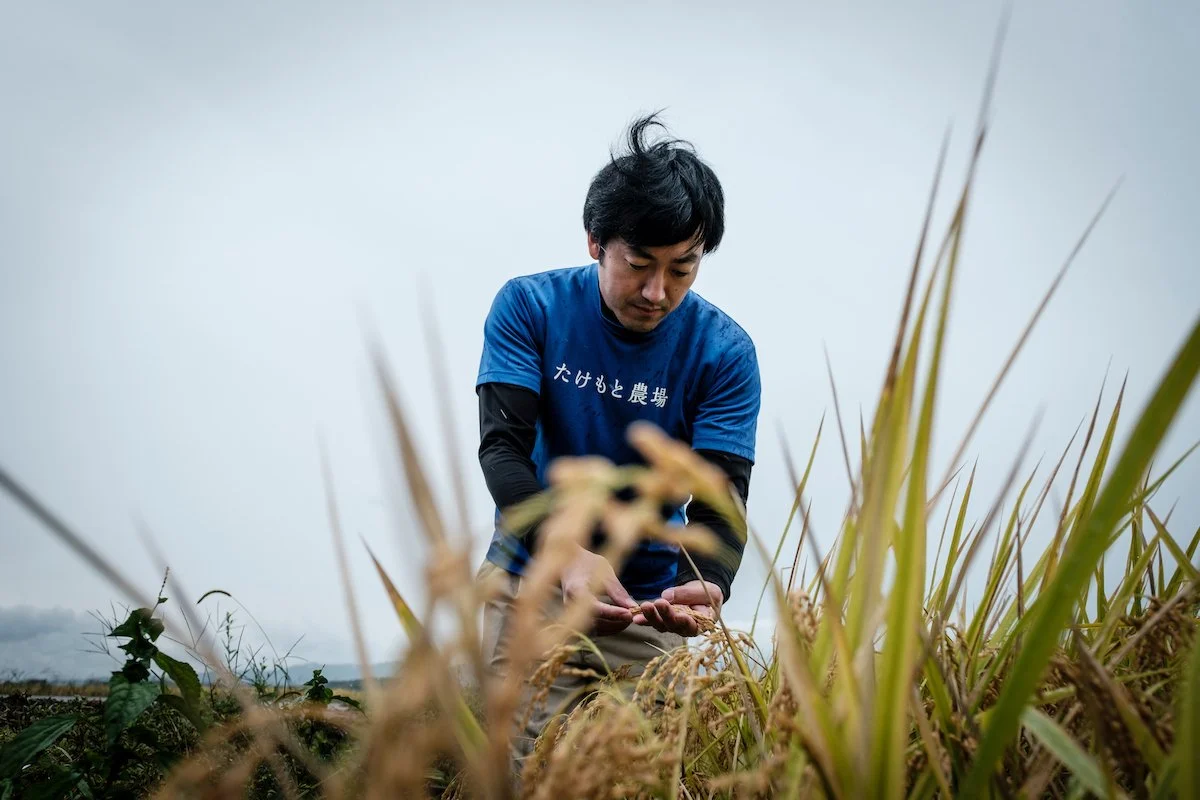
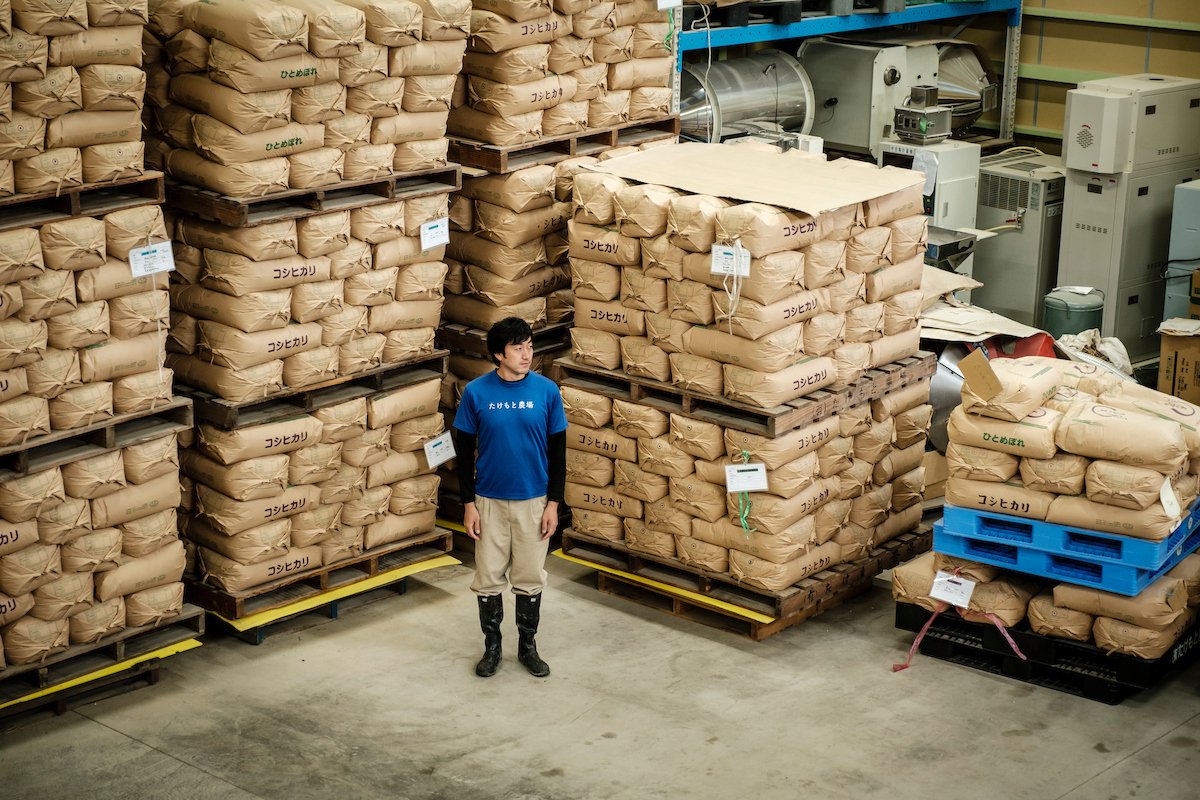
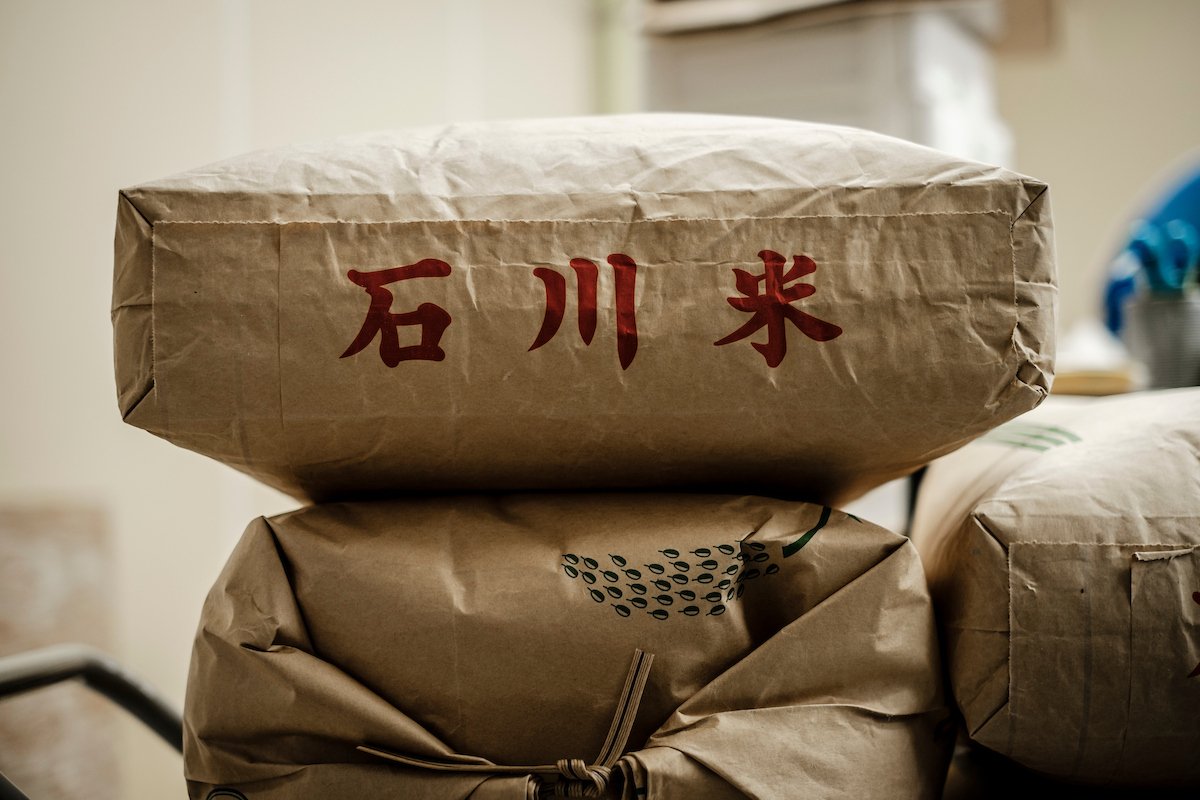
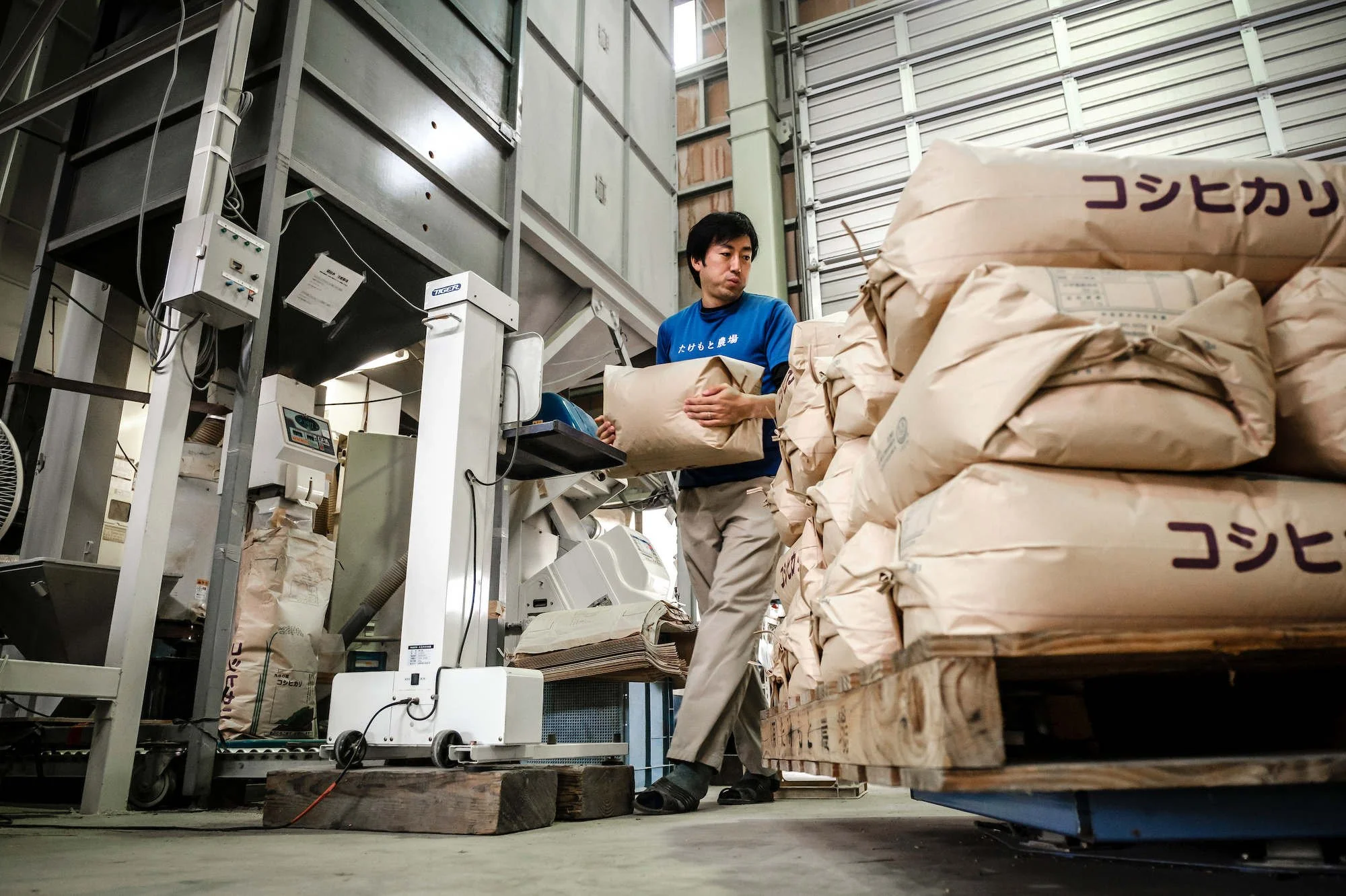
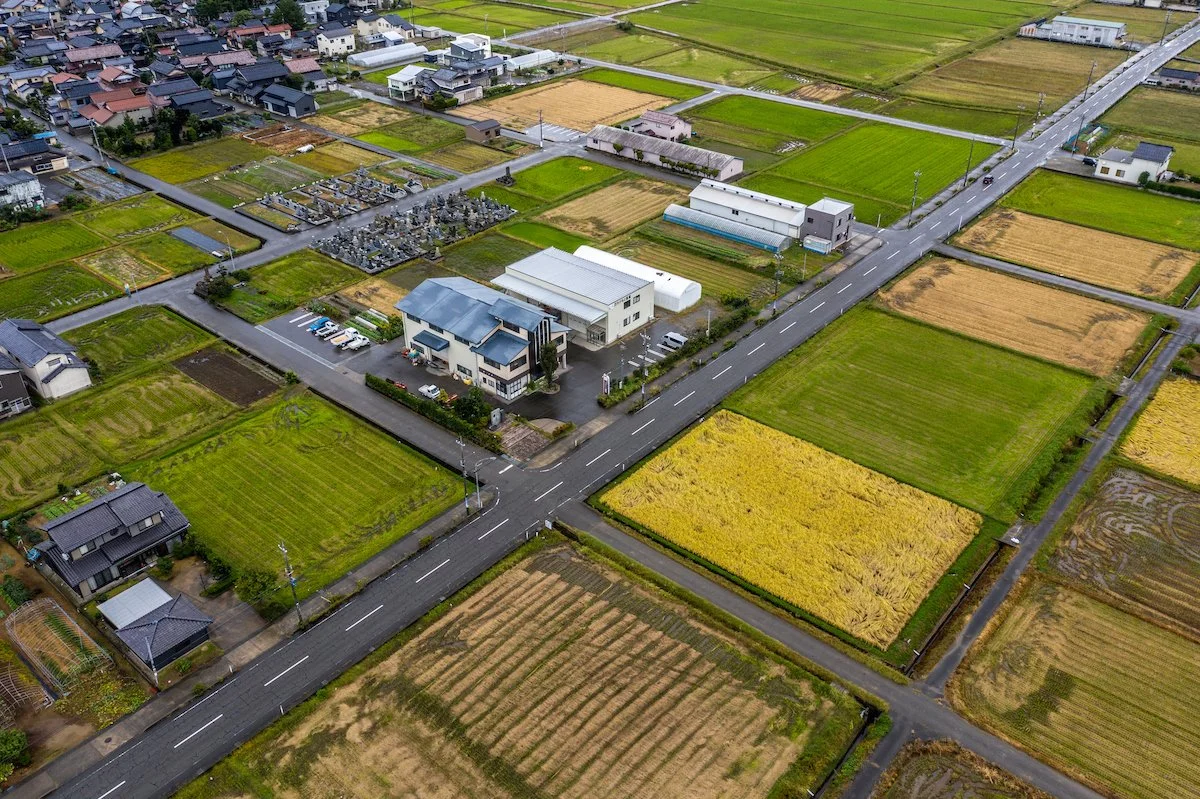
Editorial assignments move differently from corporate productions.
Editors often need a photographer who can work independently, build rapport quickly, interview and photograph subjects, and return with a complete set of images that gives the story options.
That might include portraits, details, landscapes, reportage, interiors, and quiet transitional moments that help a layout breathe.
That is why hiring an editorial photographer in Japan is not only about style. It is about judgment, access, communication, and the ability to work through uncertainty while still returning with the range and structure the story needs.
For Hotels, Ryokan, and Resorts: Photograph the Experience, Not Just the Rooms
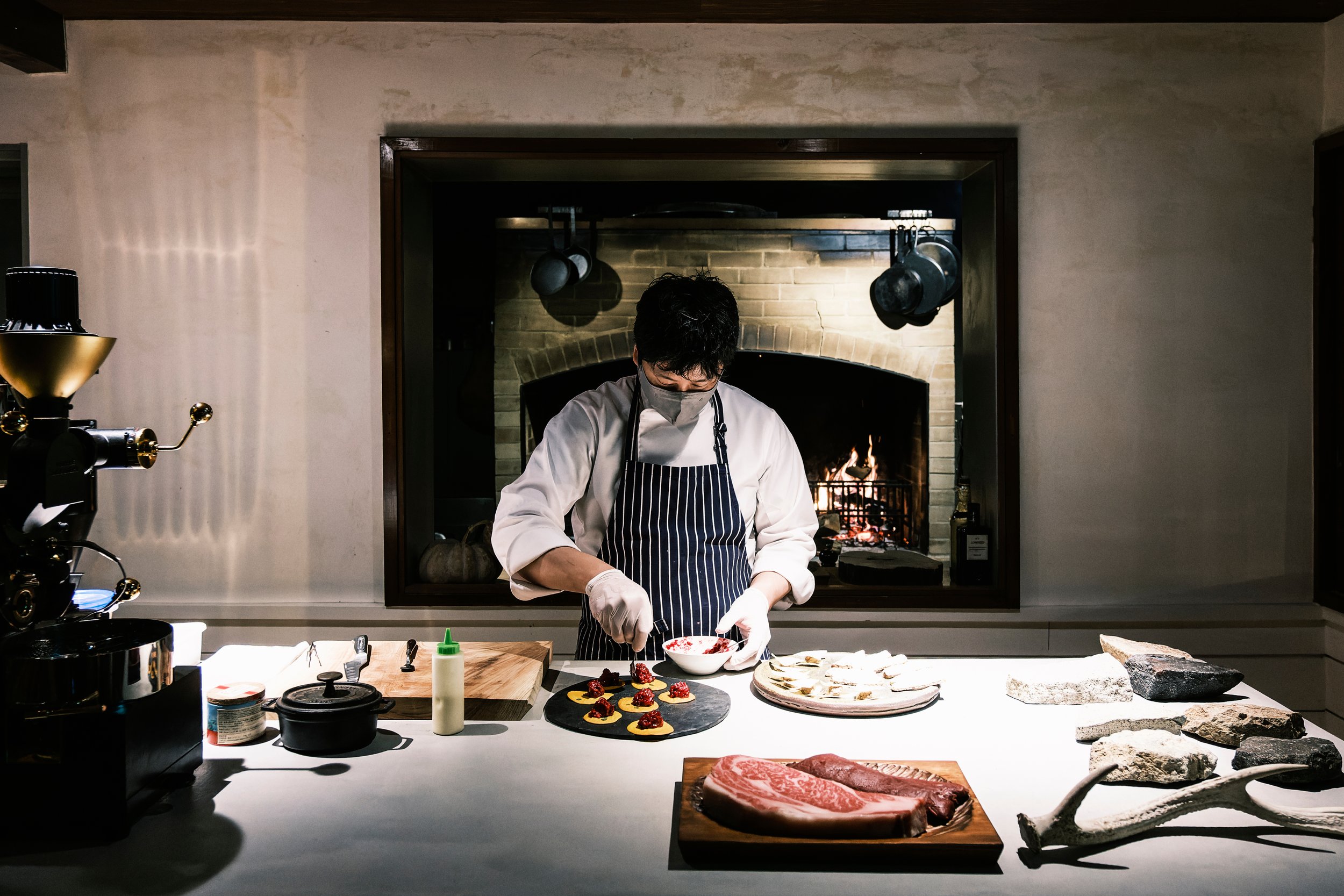
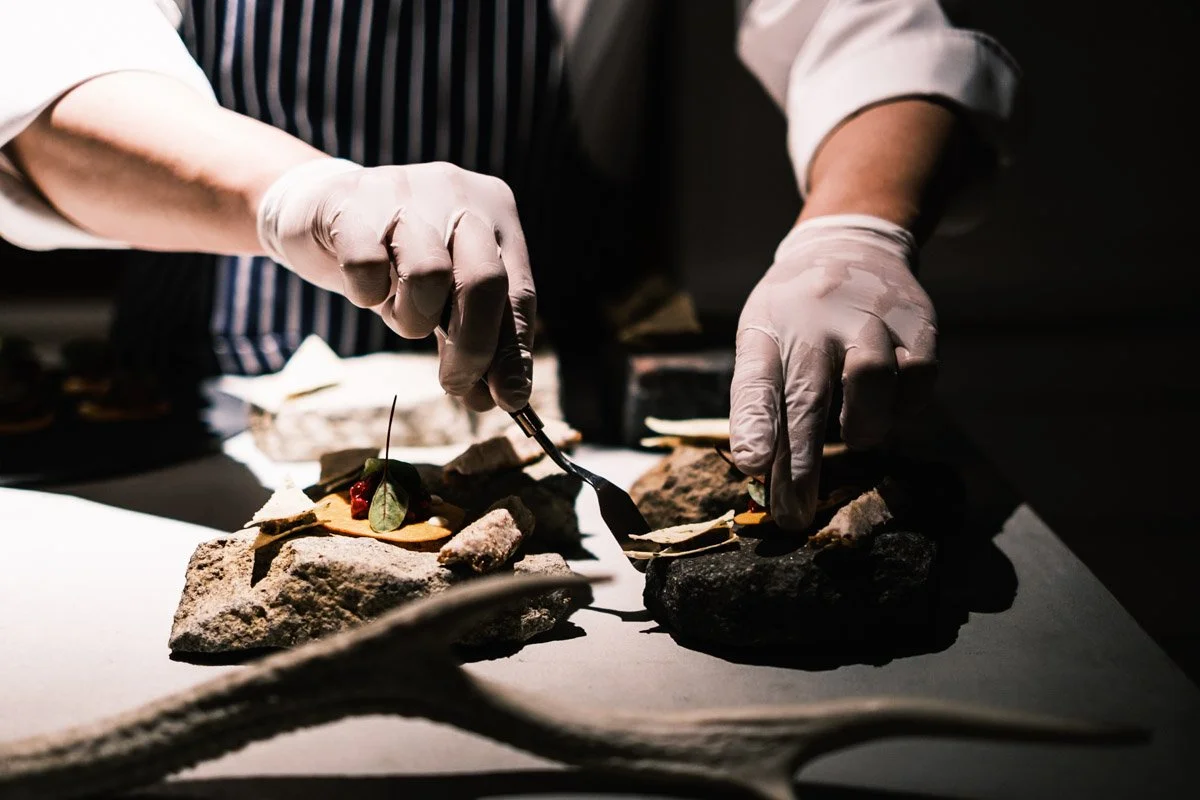
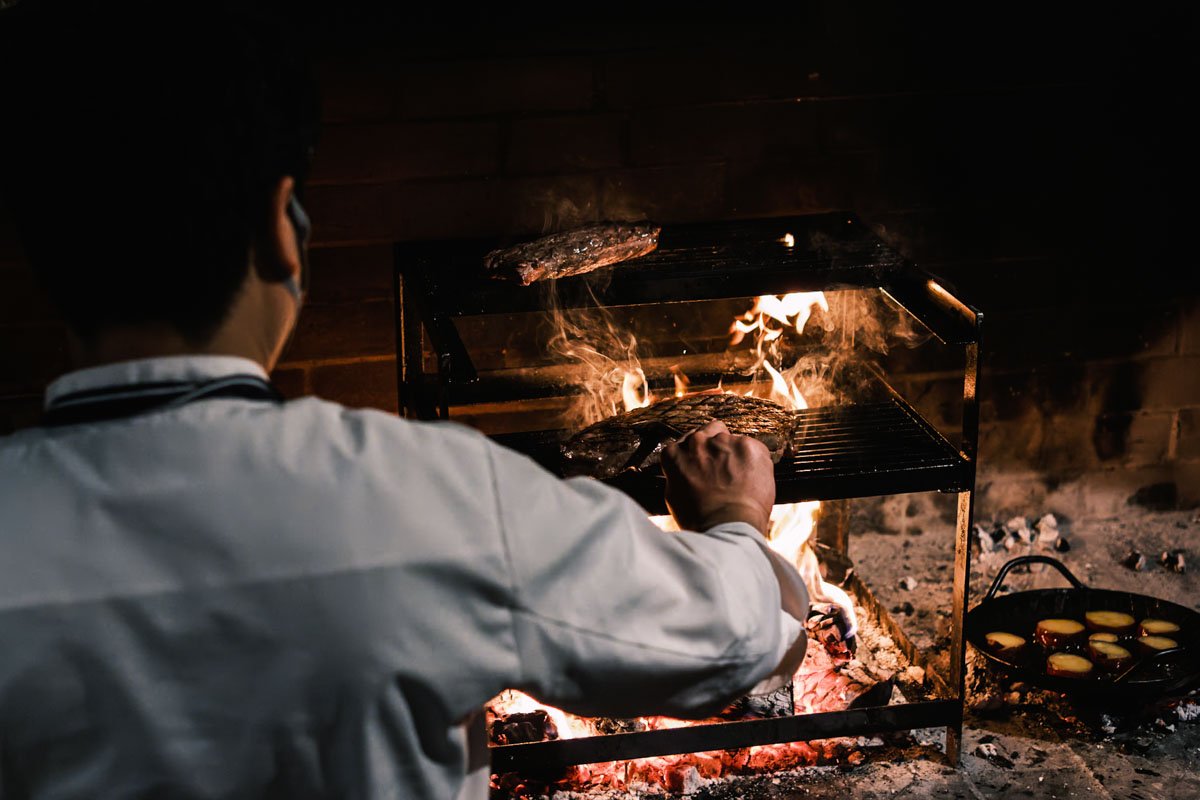
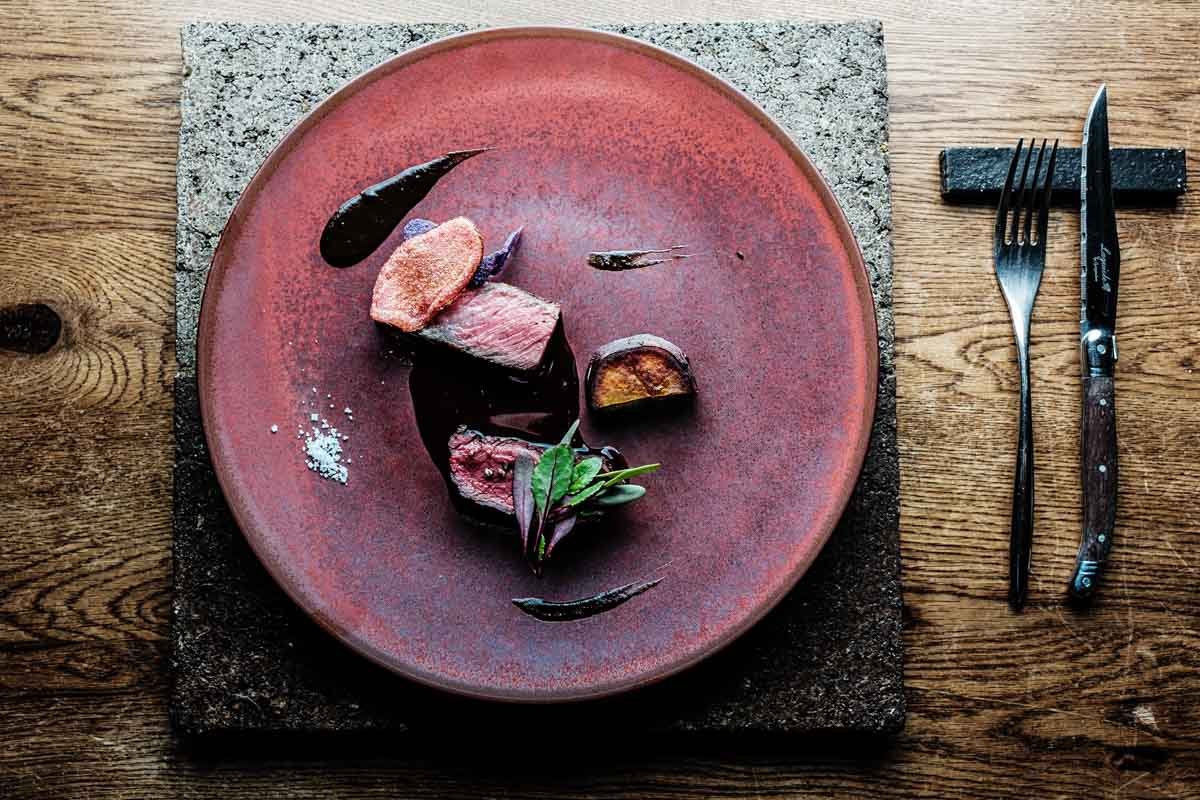
Hospitality assignments in Japan have their own version of the same problem: the obvious subjects are not always the whole story.
Rooms, restaurants, baths, lobbies, and exteriors matter. But a hotel or ryokan does not only need to show what the property looks like. It needs photographs that communicate how it feels to stay there, eat there, and move through the surrounding landscape.
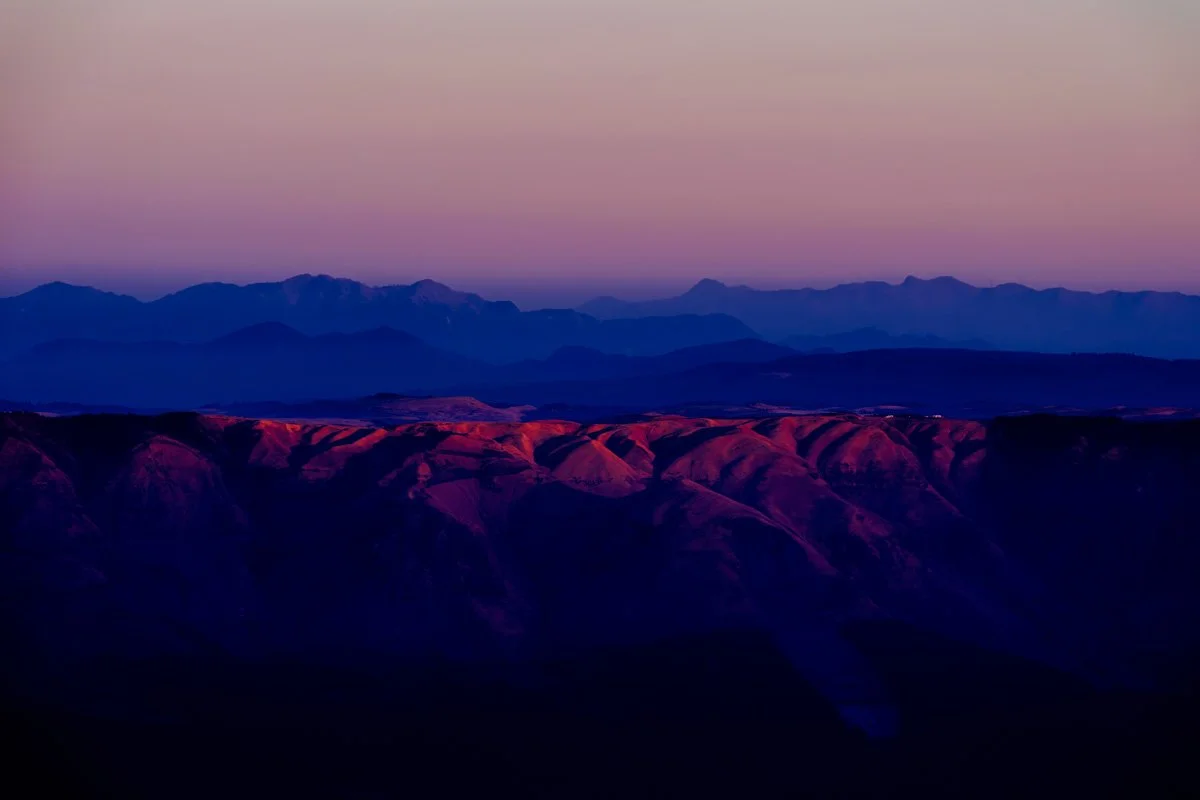
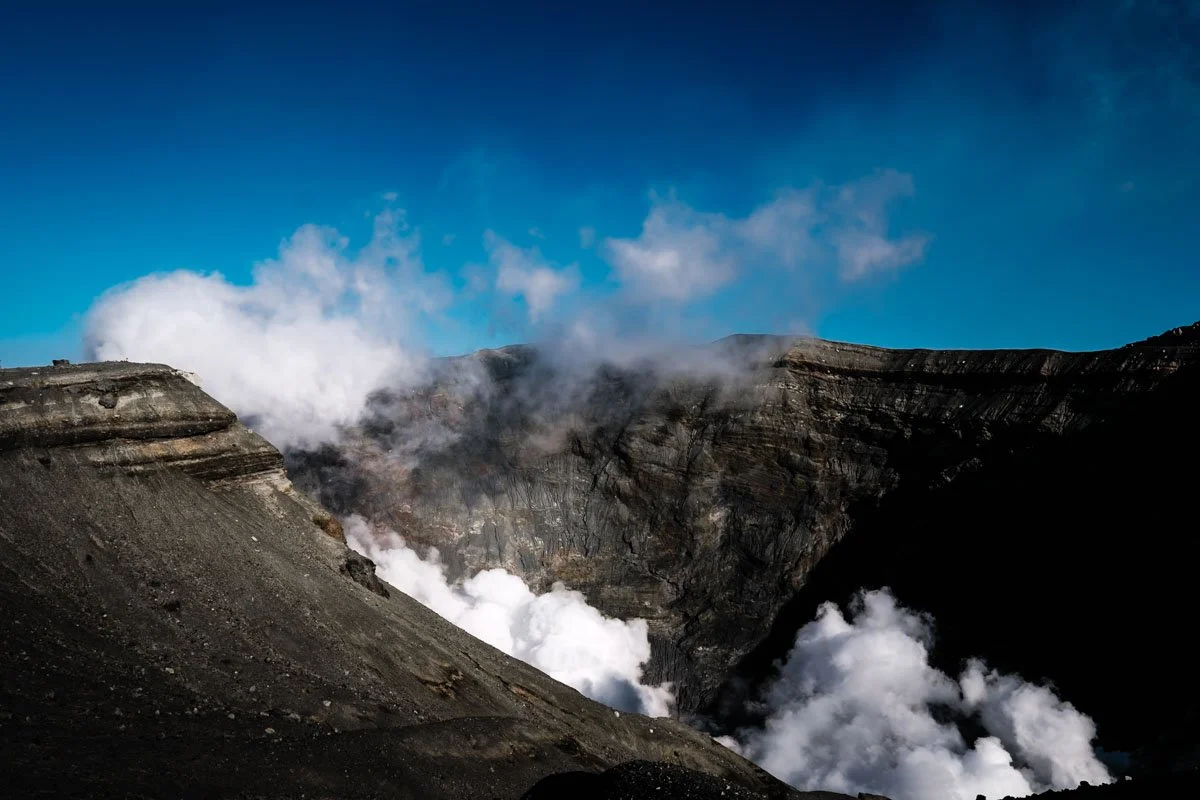
On an editorial food and travel assignment in Kumamoto for the Tokyo American Club, I stayed at several hotels and lodges to experience their dining programs firsthand. The brief focused on premium chefs and local cuisine, but the story did not begin at the table. It started in the volcanic landscape around Mt. Aso, where the soil, grasslands, farms, and cattle helped shape the ingredients, meals, and hospitality experience I was there to photograph.
Understanding that connection changed how I approached the assignment. I built time into the schedule for an early morning drive to the volcano so the final set of images could connect the dining experience to the place that made it possible.
When Should You Hire a Photographer Based in Japan?
Flying in a photographer can make sense when a campaign has a long-standing creative team, a highly specific visual system, or a global look that needs to be carried from one market to another.
But if the assignment depends on access, local timing, or the ability to adapt as the story develops, hiring a photographer based in Japan can give the production a stronger foundation.
The advantage is not simply convenience. It is continuity between planning and execution. The person helping think through the assignment before the shoot is also the person making decisions with the camera once the work begins.
That continuity helps the assignment move more naturally. It allows the photographer to recognize possibilities as they appear, adjust to the rhythm of the day, and keep the images aligned with the larger story rather than simply working through a list.
It also gives the photographer room to see. Strong assignments are not shaped by logistics alone. They depend on visual judgment: knowing where to stand, when to wait, what to leave out, how light changes a scene, and when a quiet gesture carries more meaning than the obvious frame.
For international teams, the value of hiring a photographer based in Japan is not only that the photographer is already here. It is that the assignment can be shaped by someone who understands how the work will actually unfold on the ground, and who can turn that understanding into images with clarity, atmosphere, and intent.
What Should Clients Prepare Before the Shoot?
Before commissioning photography in Japan, it helps to prepare the essentials early. The goal is not to over-plan every minute. The goal is to protect the most important parts of the assignment so there is enough structure for the shoot to run smoothly and enough flexibility for stronger images to emerge.
Creative Brief
Clarifies the story, audience, tone, and objectives of the assignment.
Shot Priorities
Identifies the must-have images and separates them from secondary or optional coverage.
Usage Needs
Defines where, how, and for how long the images will be used, which affects licensing and budget.
Budget Range
Helps shape the scope, production approach, licensing, travel, crew needs, and post-production expectations.
Location Access
Confirms permissions, arrival details, restricted areas, and any limits on what can be photographed.
Schedule Buffers
Allows time for travel, weather, delays, and unexpected photographic opportunities.
Safety Requirements
Covers PPE, safety briefings, restricted areas, and site rules for industrial, corporate, and active work environments.
Brand Guidelines
Ensures the images support the client’s visual identity, communications goals, tone, and approval requirements.
Approaching an assignment with this information in hand helps me prepare a realistic and fair estimate for the project. Pricing usually depends on more than the number of shoot days. A clear estimate may include pre-production, location research, travel and accommodation, post-production, image delivery, assistants, and other production needs. Usage also matters. Images made for an internal report, editorial feature, hotel website, tourism campaign, or global advertising usage do not carry the same licensing value.
For that reason, it helps to clarify usage early. A clear brief, realistic schedule, and defined licensing terms make pricing more transparent and help ensure the assignment is planned around the actual scope of the work.
Related Photography Assignments in Japan
For more context, these related posts show how different types of photography assignments in Japan come together:
Industrial Photography for a US Advanced Materials Manufacturer in Japan — factory access, safety, and corporate communications.
Tohoku by Train for National Geographic Traveller — editorial travel photography across northeastern Japan.
Photographing Tokyo’s Top Chefs for Virtuoso — restaurant access, food photography, and editorial storytelling in Tokyo.
Photographing a Modern Mountain Home for The Wall Street Journal— architecture, weather, deadlines, and editorial precision.
Final Thoughts
A successful photography assignment in Japan depends on more than cameras, locations, and good light.
It depends on planning, access, timing, communication, trust, and the ability to recognize what the story needs visually.
For international marketing teams, editors, hotels, tourism boards, and corporate clients, the right photographer should bring more than technical skill. They should understand how assignments work on the ground in Japan, and how to turn a brief into photographs with clarity, atmosphere, and intent.
If you’re planning a photography assignment in Japan or East Asia, I can help shape the visual approach, coordinate access and local arrangements, and create a cohesive set of images with the range, structure, and impact the project needs. Get in touch to discuss your project.
All images © Ben Weller. All rights reserved.
No part of these photographs may be copied, reproduced, stored, or used in any form—digital or print—without the express prior written permission of the photographer.